
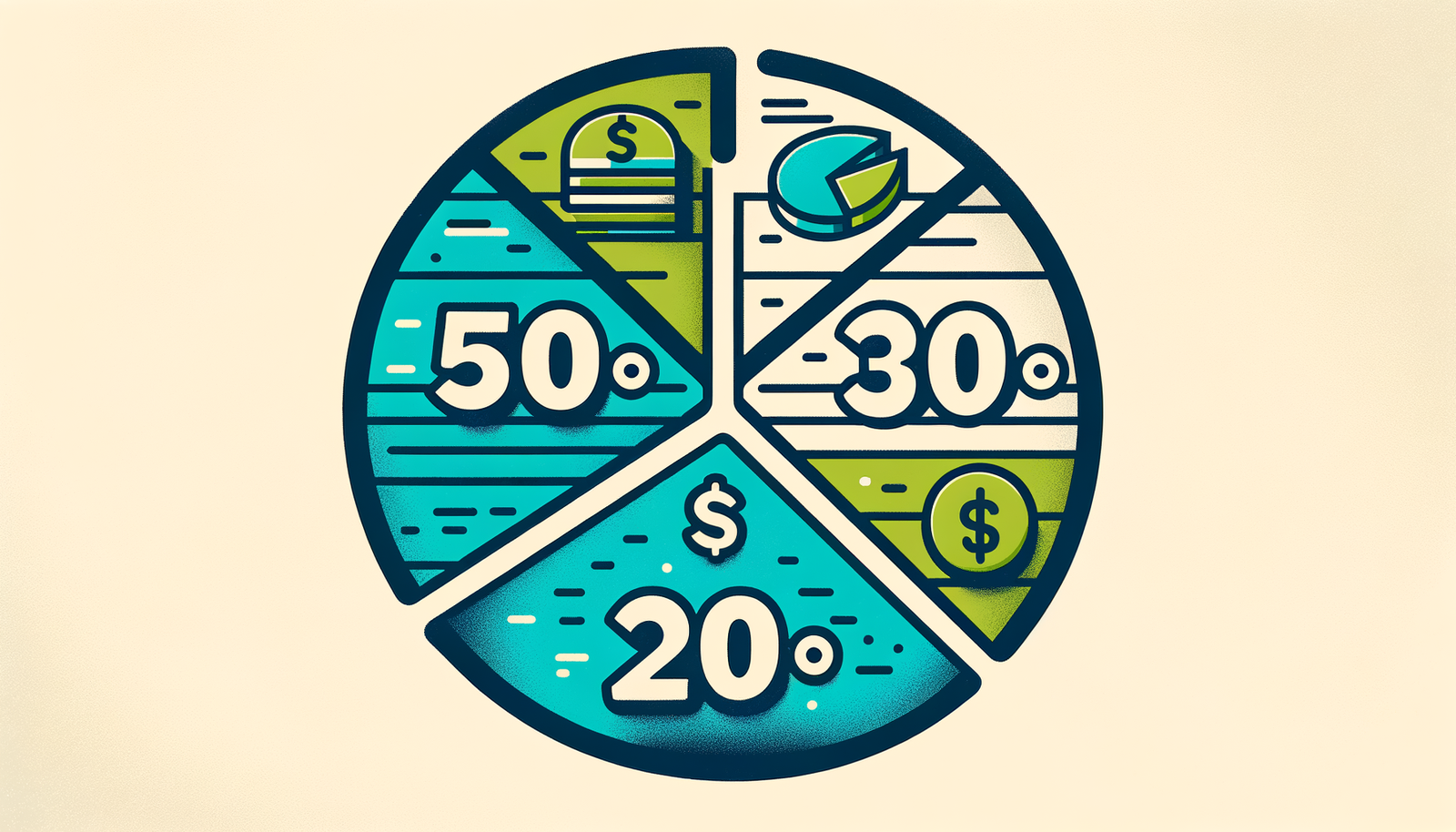
50 30 20 Budget Rule for Beginners
If your money feels out of control, you are not alone. Bills pile up, savings feel impossible, and it is hard to know where to start. The 50 30 20 budget rule for beginners gives you a simple, clear way to take control of your money without feeling overwhelmed.

The Core Problem Most People Face with Money
Budgeting often fails because it feels too complicated or too strict. You might try tracking every dollar, only to give up after a few weeks. Or you avoid budgeting entirely because you think it means giving up everything you enjoy.
The real issue is not a lack of discipline. It is a lack of a simple system that fits your real life. When your budget is too detailed or unrealistic, it becomes something you avoid instead of use.
What you need is a structure that balances three things:
- Essentials like rent and groceries
- Lifestyle spending so you can enjoy life
- Future goals like saving and paying off debt
That is exactly what the 50 30 20 approach is designed to do.
How the 50 30 20 Budget Rule for Beginners Works
This method divides your after-tax income into three clear categories. After-tax income means the money you take home after taxes are deducted.
50 Percent for Needs
This covers your essential expenses, the things you must pay to live and work. These include:
- Housing like rent or mortgage
- Utilities
- Groceries
- Transportation
- Insurance
If you lost your income, these are the bills you would still have to pay.
30 Percent for Wants
This is your lifestyle spending. These are not necessary for survival, but they make life enjoyable:
- Dining out
- Streaming services
- Shopping
- Hobbies and entertainment
This category is important. A budget that removes all enjoyment usually does not last.
20 Percent for Savings and Debt
This portion builds your financial future. It includes:
- Emergency savings
- Retirement contributions
- Extra payments on debt
If you have high-interest debt, focus this category on paying it down first.
How to Start Using This Budget Today
Step 1: Calculate Your Take-Home Pay
Look at your paycheck and find your monthly income after taxes. If your income changes, estimate a monthly average. This number is your starting point.
Step 2: Do the Simple Math
Multiply your monthly income by 0.5, 0.3, and 0.2. This gives you your spending limits for each category. For example:
- 50 percent for needs
- 30 percent for wants
- 20 percent for savings and debt
This step gives you a clear structure right away.
Step 3: Track Your Current Spending
Before making changes, review where your money is going now. Check your bank statements or use a budgeting app. Compare your current spending to your target percentages.
Step 4: Adjust Gradually
If your spending does not match the rule, that is normal. Focus on small, realistic changes. For example:
- Cook at home one extra night per week
- Cancel one unused subscription
- Put a fixed amount toward savings each payday
Small wins build momentum.
Step 5: Automate What You Can
Set up automatic transfers to savings and debt payments. This reduces the need for willpower and keeps you consistent.
A Common Mistake to Avoid
One of the biggest mistakes is trying to force your life into exact percentages right away. The 50 30 20 rule is a guide, not a rigid formula.
For example, if your rent is very high, your needs category might be closer to 60 percent. That does not mean you failed. It means you adjust the other categories while working toward balance over time.
Another common issue is mislabeling expenses. Be honest about what is a need versus a want. For example:
- A basic phone plan is a need
- An expensive upgrade is a want
Clarity here makes your budget much more effective.
The Long-Term Benefits of This Approach
When you follow this method consistently, you start to feel a shift. Your money becomes something you control instead of something that controls you.
Over time, the 20 percent savings habit builds a safety net. You are better prepared for emergencies, and you rely less on credit cards or loans.
Your spending becomes more intentional. You still enjoy your life, but you do it within a plan that supports your future.
Most importantly, you reduce stress. A clear plan removes the constant worry about whether you are doing the right thing with your money.
The goal is not perfection. It is steady progress that leads to long-term stability and freedom.
Start simple. Use the percentages as a guide, adjust as needed, and stay consistent. Over time, those small, steady actions will put you in a much stronger financial position than you are today.
By Frank Foye, Financial Expert