
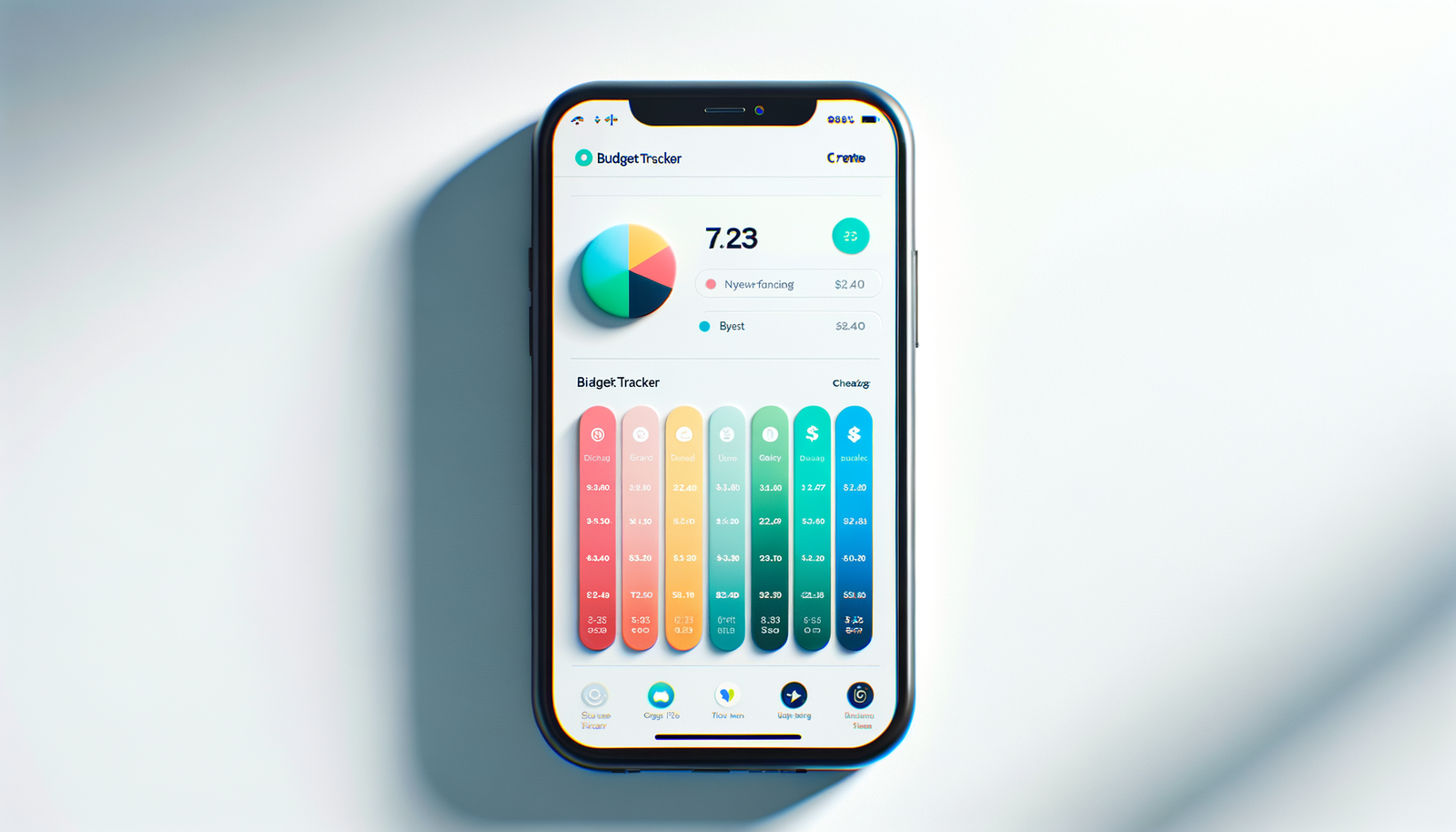
How to Track Spending Without Stress
If tracking your money feels overwhelming, you are not alone. Many people start with good intentions but quickly give up because it feels complicated or time consuming. The good news is that learning how to track spending without stress is simpler than you think, and you can start today with just a few small changes.
Why Tracking Your Spending Feels So Hard
The biggest reason tracking money feels difficult is not the math. It is the emotion behind it. Looking at your spending can bring up stress, guilt, or even avoidance. When that happens, you are less likely to stay consistent.
Another issue is trying to do too much at once. Many people jump into detailed budgets, complex apps, or strict systems that feel overwhelming. When the process feels heavy, it is easy to quit.
To move forward, you need a system that is simple, flexible, and easy to repeat. Tracking spending is not about perfection. It is about awareness.
A Simple Method for How to Track Spending Without Stress
You do not need fancy tools or hours of work. You need a clear, repeatable process that fits into your daily life.
Step 1: Choose One Tracking Tool
Pick one method and stick with it. Options include:
- A notes app on your phone
- A simple spreadsheet
- A basic budgeting app
- A small notebook you carry with you
The best tool is the one you will actually use. Keep it easy and accessible.
Step 2: Track Only What You Spend
At the start, do not worry about categories or detailed budgets. Just write down what you spend and when. For example:
- Coffee, $4
- Gas, $40
- Groceries, $85
This builds awareness without adding pressure.
Step 3: Check In Once a Day
Set aside five minutes each day to record your spending. This keeps things from piling up and feeling overwhelming. A quick daily habit is far easier than a long weekly session.
Step 4: Review Once a Week
At the end of the week, look over your spending. Notice patterns. You are not judging yourself. You are learning.
Practical Tips to Make Tracking Easier
Start Small and Build Up
You do not need to track every dollar perfectly on day one. Start with your main spending areas like food, transportation, and shopping. As you get comfortable, you can add more detail.
This approach reduces pressure and helps you stay consistent.
Use Categories Only When Ready
Categories help you understand where your money goes, but they can feel overwhelming at first. When you are ready, group your spending into simple categories like:
- Food
- Bills
- Fun
- Transportation
Keep categories broad so you do not get stuck overthinking.
Automate What You Can
If you prefer less manual work, use a budgeting app that links to your bank account. This allows transactions to import automatically. You can then review and adjust instead of starting from scratch.
Automation reduces effort and keeps your system consistent.
Set a Weekly Spending Checkpoint
Pick a specific time each week to review your spending. Sunday evenings or Monday mornings work well for many people. Keep it short, around 10 to 15 minutes.
This habit helps you stay aware without feeling consumed by your finances.
Focus on Awareness, Not Perfection
You will forget to track sometimes. That is normal. The goal is not perfection. The goal is awareness and improvement over time.
If you miss a day, simply pick it back up the next day.
The Most Common Mistake People Make
The biggest mistake is trying to build a perfect system right away. People often think they need a detailed budget with exact categories, strict limits, and complete accuracy.
This approach usually leads to frustration and burnout.
Instead, focus on building a habit first. A simple system you use consistently is far more powerful than a complex system you avoid.
Another common mistake is using tracking as a way to judge yourself. If you see spending you regret, it is easy to feel discouraged. But tracking is not about blame. It is about clarity and control.
The Long-Term Benefits of Tracking Your Spending
When you consistently track your spending, everything starts to change. You begin to see exactly where your money goes. This awareness gives you the power to make better decisions.
Over time, you will notice patterns. Maybe you spend more on takeout than you thought. Maybe small purchases add up quickly. These insights help you adjust without feeling restricted.
Tracking also helps you:
- Stay within your income
- Reduce unnecessary expenses
- Pay off debt faster
- Build savings with intention
Most importantly, it reduces stress. When you know where your money is going, you feel more in control. That sense of control is what leads to lasting financial progress.
Learning how to track spending without stress is not about doing more. It is about doing less, but doing it consistently.
Start simple. Keep it manageable. Stay consistent. Small daily actions will build into real financial clarity over time. You do not need to be perfect. You just need to begin.
By Frank Foye, Financial Expert