
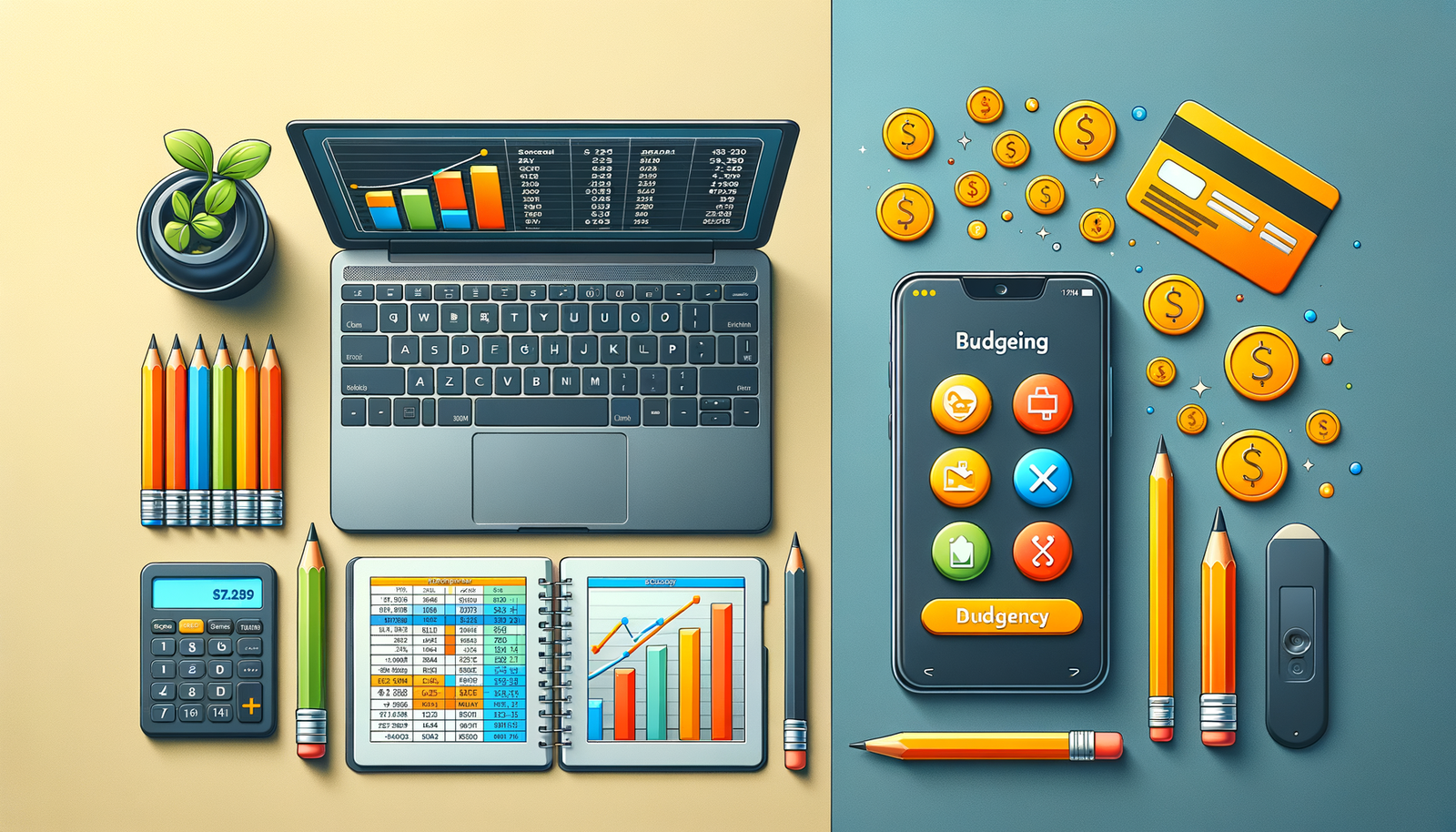
Best Budgeting Apps vs Spreadsheets Comparison
If you feel like your money keeps slipping through your fingers, you are not alone. Choosing between tools can make it even more confusing. This best budgeting apps vs spreadsheets comparison will help you cut through the noise and pick a system you can actually stick with.
The Real Problem, Why Budgeting Feels So Hard
Most people do not fail at budgeting because they are bad with money. They fail because their system is too complicated or does not fit their life. You might start strong, then stop tracking after a few weeks. That is not a discipline problem, it is a system problem.
A good budget needs three things to work:
- Clarity, you can see where your money is going
- Consistency, you can keep using it every week
- Control, you can adjust when life changes
Both budgeting apps and spreadsheets can give you these. The difference is how they do it, and how easy it is for you to stay consistent.
Understanding Budgeting Apps vs Spreadsheets
Before choosing, you need to understand how each option works in real life. This best budgeting apps vs spreadsheets comparison is not about which is perfect. It is about which works for you.
What Budgeting Apps Do Best
Budgeting apps connect to your bank accounts and track spending automatically. Many categorize transactions for you, which saves time and effort.
Key strengths include:
- Automation, transactions are pulled in without manual entry
- Real time updates, you see your spending as it happens
- Visual tools, charts and summaries make patterns easy to spot
This makes apps ideal if you struggle with consistency or forget to track expenses.
What Spreadsheets Do Best
Spreadsheets give you full control over your budget. You build your system exactly how you want it.
Key strengths include:
- Customization, you decide every category and formula
- Privacy, your data stays with you
- Flexibility, you can adjust anytime without limits
This makes spreadsheets a strong choice if you like control and do not mind manual work.
How to Choose the Right Option for You
Step 1: Be Honest About Your Habits
If you rarely stick with manual systems, a spreadsheet may not work long term. An app can reduce friction and help you stay consistent. If you enjoy hands on tracking, a spreadsheet can give you deeper awareness.
Step 2: Consider Your Financial Situation
If your finances feel messy or overwhelming, start simple. A budgeting app can quickly show where your money is going. If you already have a clear picture and want to fine tune, a spreadsheet can help you dig deeper.
Step 3: Think About Your Time
Apps save time. Spreadsheets require time. Be realistic about how much effort you can give each week. Even the best system fails if you do not use it.
Step 4: Match the Tool to Your Goal
Your goal matters. If you want to:
- Get out of debt, use a tool that keeps you consistent
- Build savings, use a tool that tracks progress clearly
- Gain control, use a tool that shows your full financial picture
Both options can work, but one will feel easier to maintain.
The Most Common Mistake People Make
The biggest mistake is thinking the tool will fix your money problems. It will not. The tool only supports your behavior.
People often switch between apps and spreadsheets, hoping the next one will finally work. What actually works is sticking with one system long enough to build a habit.
Another common issue is overcomplicating your budget. You do not need 30 categories. Start with a few:
- Housing
- Food
- Transportation
- Savings
- Debt payments
Keep it simple so you can stay consistent. A simple system you use beats a perfect system you abandon.
The Bigger Picture, What Really Leads to Financial Freedom
The goal is not to find the perfect tool. The goal is to build a system you trust and use every week. That is what creates real change.
When you track your money consistently, a few things happen:
- You stop guessing and start knowing
- You catch problems early
- You make decisions with confidence
Over time, this leads to less stress and more control. You start to feel like your money is working for you, not against you.
Whether you choose an app or a spreadsheet, focus on building the habit first. The tool supports the habit, not the other way around.
You do not need a perfect system to get started. Pick one option from this best budgeting apps vs spreadsheets comparison, set it up simply, and use it this week. Small consistent actions will move you forward faster than constant searching for the perfect solution.
By Frank Foye, Financial Expert