
9 Clearwater Foreclosure Homes Pros and Cons Buyers Must Know
Find Your Florida Dream Home
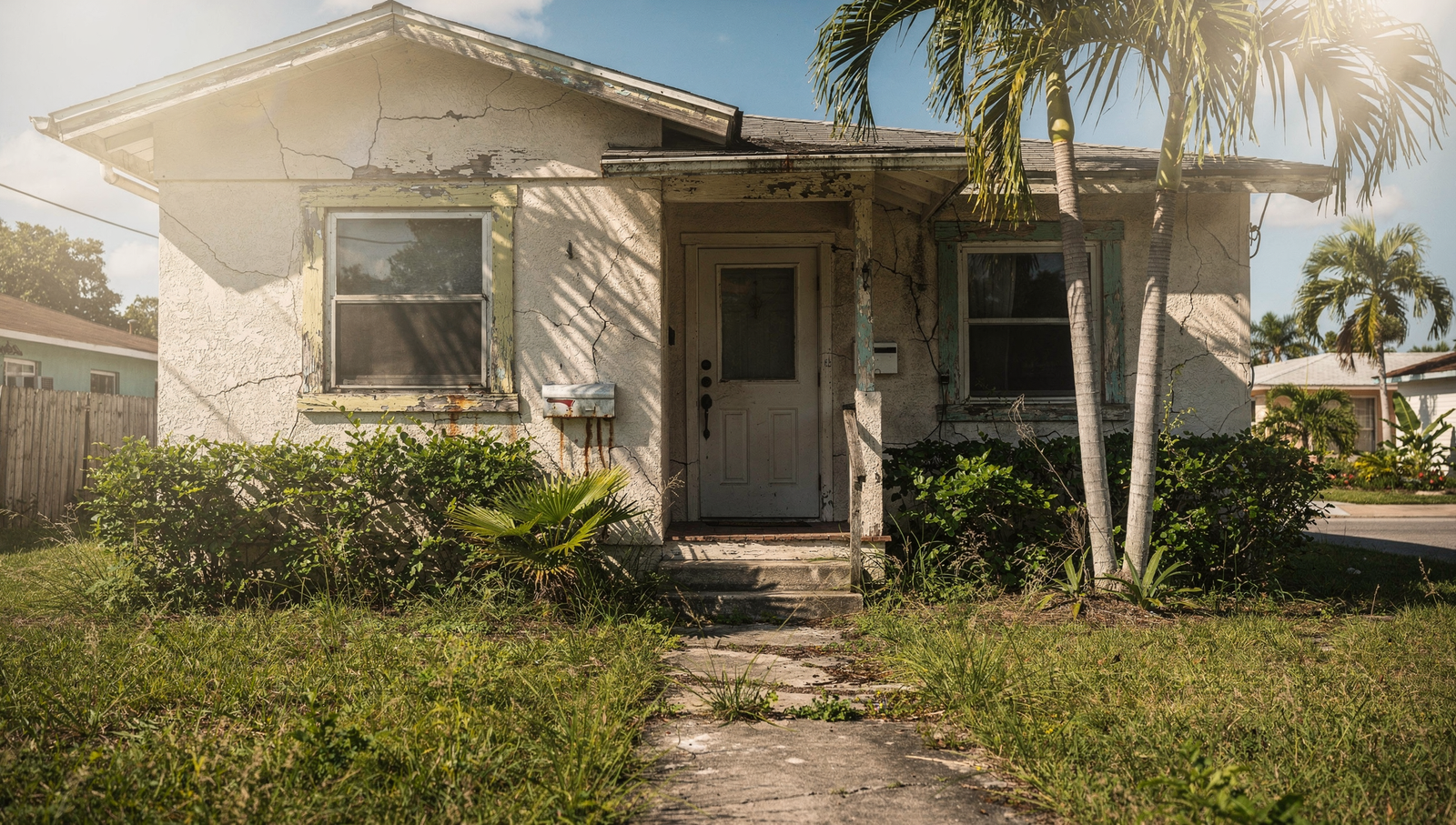
Buying Clearwater foreclosure homes can feel like a shortcut to a deal, especially in a competitive Florida market. The key is understanding how foreclosures actually work in Clearwater so you avoid costly surprises and focus on real opportunities.
Foreclosures can create value, but they also require patience, preparation, and local insight. This is not a plug and play purchase like a typical resale home.
Clearwater foreclosure homes and how the process works
Before looking at listings, it helps to know what foreclosure really means in Florida. Most Clearwater foreclosure homes fall into one of three categories, and each one carries different risks.
Pre-foreclosure properties
Pre-foreclosures happen before the home officially goes to auction. The owner is behind on payments but still holds title to the property.
These homes can offer flexibility and negotiation, but they are not always discounted. Many sellers still owe close to market value, so the deal depends on motivation, not the label.
Auction foreclosures
Auction homes are sold after the foreclosure process moves forward. In Florida, these sales often happen through courthouse auctions.
Buyers should be cautious here because properties are usually sold as is. You may not be able to inspect the home or confirm interior condition before bidding.
Find Your Florida Dream Home
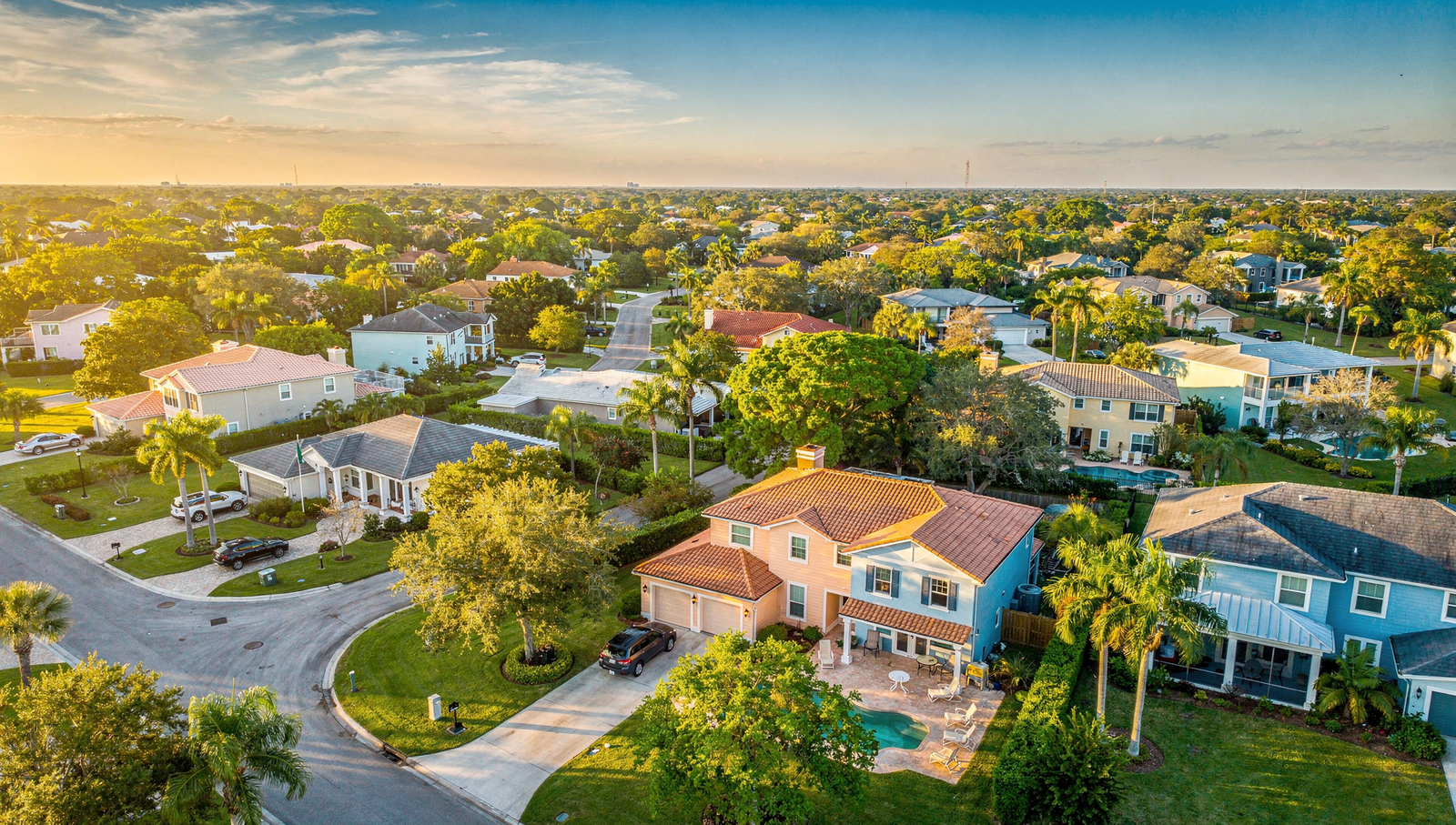
Bank owned or REO homes
REO stands for real estate owned by the bank. These properties did not sell at auction and are now listed on the open market.
REOs are often the safest entry point for buyers interested in Clearwater foreclosure homes. You usually get clear title, access for inspections, and more standard contract terms.
Why Clearwater foreclosure homes attract buyers
Foreclosures continue to draw attention because of their perceived value. In some cases, that value is very real.
Common reasons buyers look at foreclosure homes include:
Lower purchase prices compared to nearby sales
Less competition than move-in ready listings
Potential for equity through repairs or updates
Opportunities for investors and long-term rentals
In Clearwater, these homes can appeal to first-time buyers, second home shoppers, and investors looking for rental properties. The appeal depends heavily on location and condition.
The biggest risks buyers need to understand
Foreclosure homes are not discounted without reason. Knowing the risks upfront helps you decide if the reward is worth it.
Property condition issues
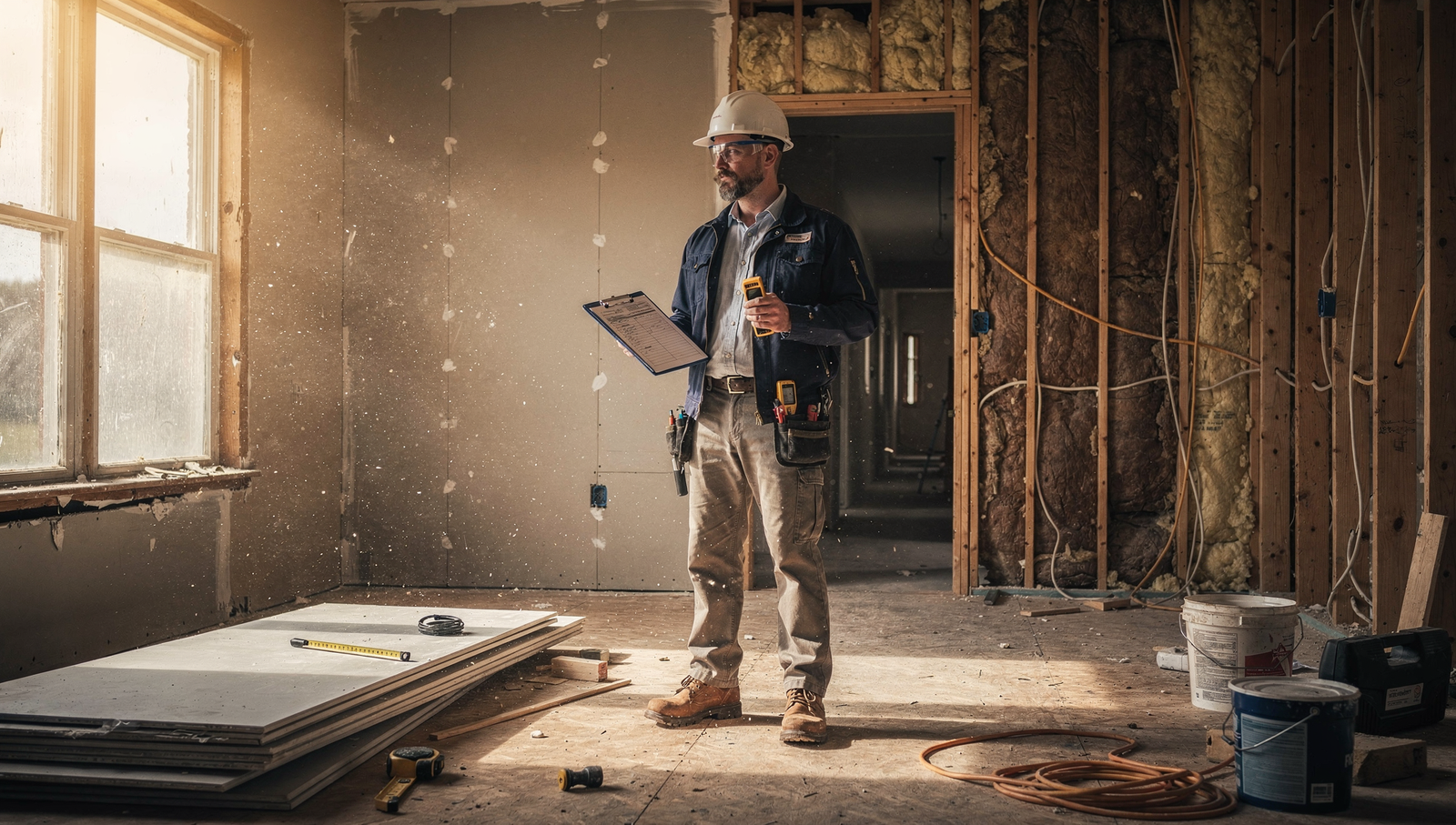
Many foreclosure homes have been vacant for months or longer. Deferred maintenance is common, especially with roofs, plumbing, and HVAC systems.
Some properties may also have damage from neglect or vandalism. Always budget more for repairs than you think you need.
Title and lien concerns
Not all foreclosure paths guarantee clean title. Some auctions may still have liens or legal issues attached to the property.
This is where working with a local professional matters. A title search and proper guidance can protect you from expensive mistakes.
Financing limitations
Certain foreclosure homes do not qualify for traditional financing. Homes with major safety or structural issues may require cash or renovation loans.
Buyers should talk to a lender early so they know their options before falling in love with a deal.
Clearwater neighborhoods where foreclosures appear more often
Foreclosure inventory in Clearwater is not evenly spread. Some areas see more distressed properties due to age, condo rules, or investor turnover.
Common places where foreclosure listings may appear include:
Older condo communities with high HOA fees
Areas with aging housing stock needing updates
Neighborhoods with heavy investor ownership
Properties affected by insurance or flood zone costs
This does not mean these areas are bad investments. It means buyers need to be more selective and run the numbers carefully.
How to evaluate a foreclosure deal the smart way
A low price alone does not make a good deal. Clearwater buyers should use a simple evaluation process before making an offer.
Step by step foreclosure checklist
Confirm the foreclosure type and ownership status
Review comparable sales, not just list price
Estimate repairs with a conservative budget
Check HOA rules, fees, and rental restrictions
Verify insurance options and flood zone status
Factor in holding costs during repairs
Plan your exit strategy before buying
This approach keeps emotions out of the decision. It also helps you compare foreclosure homes to traditional listings objectively.
Are Clearwater foreclosure homes good for investors
For investors, foreclosure homes can work well if the numbers make sense. The most successful investors focus on cash flow and long-term demand, not just purchase price.
In Clearwater, long-term rentals often perform better than risky short-term assumptions. Location, parking, and property condition usually matter more than being near the beach.
Buyers should also consider resale demand. A property that appeals to future homeowners can offer a safer exit if the rental market shifts.
When a foreclosure is not the right move
Foreclosures are not ideal for every buyer. Some people are better served by standard resale homes, even if the price is higher.
You may want to avoid foreclosures if:
You need move-in ready condition
You have limited repair funds
You are uncomfortable with uncertainty
You are on a tight timeline
In these cases, paying more upfront can reduce stress and long-term costs.
Final thoughts for Clearwater buyers
Clearwater foreclosure homes can offer real opportunities when approached with knowledge and patience. The best results come from understanding the process, evaluating risks honestly, and focusing on long-term value instead of quick wins.
If you are exploring foreclosure options or want help identifying safer opportunities in Clearwater, reach out to Frank Foye of Ivy League Realty. A local expert can help you decide whether a foreclosure fits your goals or if a different path makes more sense.