
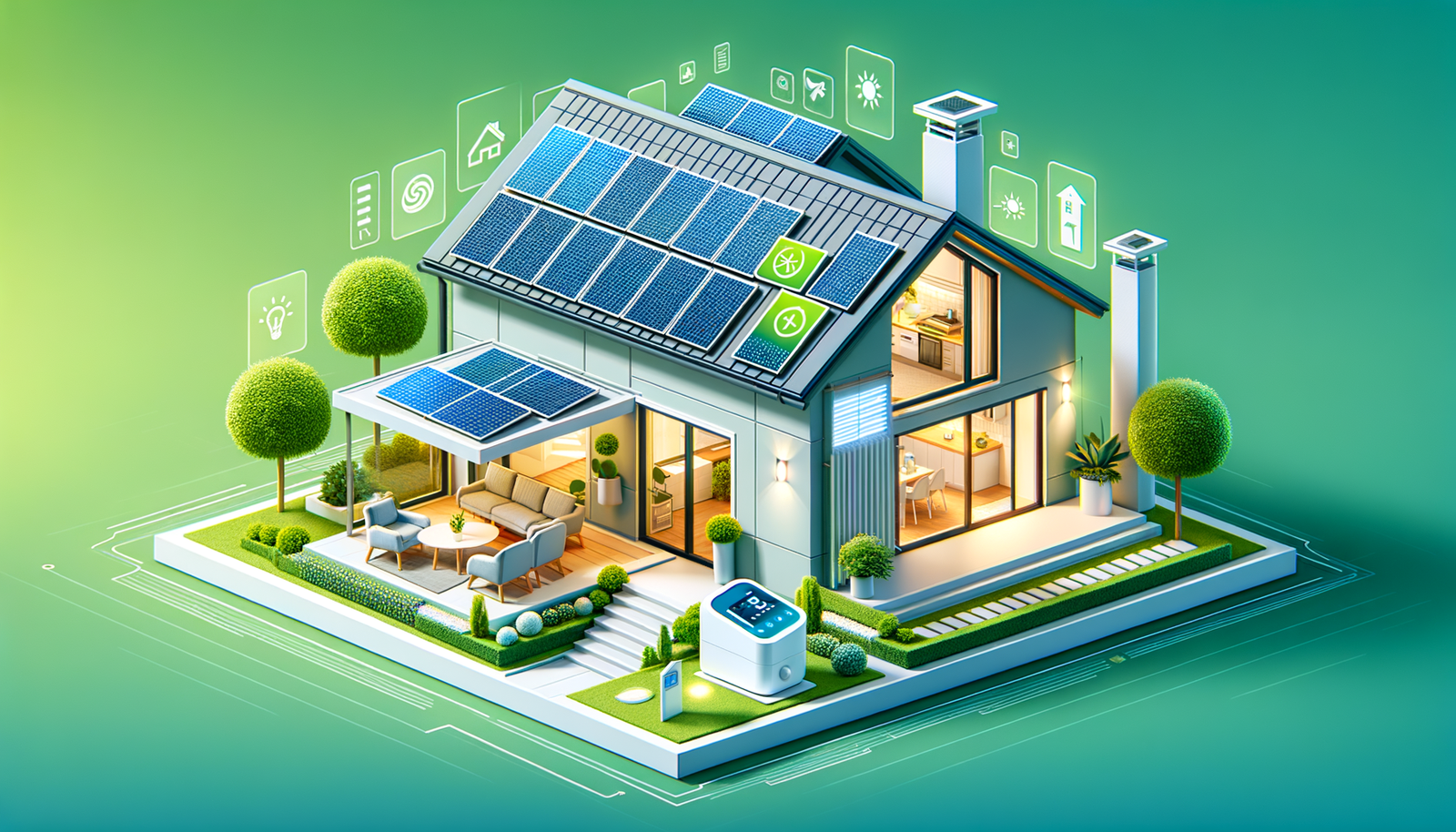
How to Lower Utility Bills and Save Money Monthly
If you have ever opened your electric or water bill and felt your stomach drop, you are not alone. Utility costs are one of those sneaky expenses that drain your budget month after month, often without you realizing just how much you are losing. The good news is that learning how to lower utility bills and save money monthly is completely within your reach, and the changes you need to make are simpler than you might think.
Why Your Utility Bills Keep Eating Into Your Budget
Here is the thing about utility costs. They are recurring, they are unavoidable, and they tend to creep up over time. You get used to paying a certain amount each month, so you stop questioning it. But those extra $30, $50, or even $100 charges add up to hundreds or thousands of dollars a year that could be going toward debt repayment, savings, or things you actually enjoy.
The average American household spends over $2,000 a year on electricity alone. Add in water, gas, internet, and trash, and you could easily be spending $4,000 to $5,000 annually on utilities. Even a 15 to 20 percent reduction in those costs would put $600 to $1,000 back in your pocket each year. That is real money that can change your financial picture.
If you are already working hard to budget when you are living paycheck to paycheck, trimming your utility expenses is one of the fastest ways to free up cash without earning more income.
Understanding Where Your Utility Dollars Actually Go
Before you can cut costs, you need to understand what is driving your bills. Most people have never taken a close look at their utility statements, but doing so is the first step toward saving real money.
Break Down Your Monthly Statements
Pull out the last three months of your electric, gas, water, and internet bills. Look at the actual usage numbers, not just the dollar amounts. Your electric bill, for example, will show how many kilowatt-hours (kWh) you used. A kilowatt-hour is simply a unit of energy. The more you use, the more you pay.
Compare your usage month to month. Are there seasonal spikes? Do certain months seem abnormally high? This gives you a baseline so you can measure your progress as you start making changes.
Identify Your Biggest Energy Users
In most homes, the biggest energy consumers are:
- Heating and cooling systems, which account for roughly 50 percent of your energy bill
- Water heaters, which can use 15 to 20 percent of your energy
- Large appliances like refrigerators, washers, and dryers
- Lighting and electronics, especially older or inefficient models
When you know where the money is going, you can target your efforts where they will make the biggest difference. This is similar to the approach I recommend when you track your spending without feeling overwhelmed. Awareness always comes first.
Practical Ways to Reduce Your Utility Bills Starting This Month
Now for the part you have been waiting for. These are specific, proven strategies for lowering your monthly utility costs. You do not need to do all of them at once. Pick a few, start today, and build from there.
Adjust Your Thermostat Strategically
Lowering your thermostat by just 2 to 3 degrees in winter or raising it by the same amount in summer can save you 5 to 10 percent on heating and cooling costs. If you are not home during the day, set it even further back. A programmable thermostat can automate this for you, and many cost under $30.
If you live in a warmer climate, like many homeowners exploring Clearwater homes for sale, your air conditioning is likely your single biggest utility expense. Using ceiling fans to circulate air, closing blinds during peak sun hours, and keeping your AC filter clean can make a noticeable difference.
Seal Air Leaks and Insulate
Drafty windows and doors are like leaving your wallet open. Warm air escapes in winter, cool air escapes in summer, and your HVAC system works overtime to compensate. A $5 tube of caulk and some inexpensive weather stripping can save you $100 or more per year.
Check around windows, doors, outlets on exterior walls, and where pipes enter your home. If you can feel air moving or see daylight, you have a leak that needs sealing.
Be Smart About Water Usage
Water bills add up faster than most people realize. Here are quick wins:
- Fix dripping faucets immediately. A single drip can waste over 3,000 gallons a year.
- Install low-flow showerheads and faucet aerators. They cost a few dollars and can cut water usage by 25 to 50 percent.
- Run your dishwasher and washing machine only with full loads.
- Take shorter showers. Even cutting 2 minutes off your shower time saves hundreds of gallons monthly.
Reduce Your Electricity Waste
Phantom energy, also called standby power, is the electricity your devices use even when they are turned off. Things like phone chargers, gaming consoles, coffee makers, and cable boxes all draw power around the clock. Plugging these into power strips and switching them off when not in use can save you $100 to $200 per year.
Switching to LED light bulbs is another easy win. LEDs use about 75 percent less energy than traditional bulbs and last 25 times longer. If you have not made the switch yet, start with the lights you use most often.
Lower Your Water Heater Temperature
Most water heaters come factory-set to 140 degrees Fahrenheit, but 120 degrees is plenty for most households. Turning it down reduces energy use, slows mineral buildup in your tank, and lowers the risk of scalding. This one adjustment alone can save you $30 to $50 per year.
Negotiate or Switch Providers
If you live in an area with deregulated energy, you may be able to shop around for a better rate on electricity or natural gas. Even if you cannot switch providers, call your current company and ask about budget billing programs, low-income assistance, or discounts for autopay and paperless billing.
Do the same with your internet bill. Companies often have promotional rates for new customers, and a simple phone call asking for a better deal can sometimes save you $10 to $20 per month.
The Mistake That Keeps People Overpaying on Utilities
The most common mistake I see is treating utility bills as fixed expenses that cannot be changed. People assume the bill is what it is and never question it. They budget around the number instead of working to bring it down.
Your utilities are variable expenses, meaning your behavior directly influences how much you pay. Unlike your rent or mortgage payment, you have real control over your electric, water, and gas costs every single day.
Another mistake is making changes for a month or two and then slipping back into old habits. Saving on utilities is not a one-time project. It is a set of small, ongoing habits that compound over time. Think of it the same way you would approach frugal living tips that do not feel like sacrifice. The goal is to build sustainable changes, not to suffer through temporary restrictions.
If you are working on a structured budget, make sure your utility category reflects your new, lower target rather than your old average. Whether you follow the 50/30/20 budget rule or a zero-based approach, reducing your needs category gives you more room for saving and debt payoff.
The Bigger Picture: How Utility Savings Build Real Financial Freedom
Saving $50 a month on utilities might not sound life-changing on its own. But let me put it in perspective. That is $600 a year. Over five years, that is $3,000. If you invest that money at a modest return, it grows even more. And when you combine utility savings with other smart money moves, like saving money on groceries every week, the impact multiplies quickly.
Those savings can go straight toward building your 3-month emergency fund, which is one of the most important financial safety nets you can have. Or you could funnel it into a debt payoff plan and shorten the time until you are completely debt-free.
Every dollar you stop wasting on utilities is a dollar that starts working for you. That is how financial progress happens. Not through one giant leap, but through dozens of small, intentional decisions made consistently over time.
The utility companies are not going to lower your bills for you. Your landlord is not going to remind you to change your air filter. This is on you, and that is actually the empowering part. You get to decide how much of your hard-earned money goes toward keeping the lights on, and how much goes toward building the life you want.
Start this week. Pick two or three strategies from this post and put them into action. Check your thermostat settings tonight. Unplug that power strip before bed. Look at your last three utility statements and find the patterns. Small steps lead to big results, and you are fully capable of making this happen.