
What Is a Good Credit Score Number and How to Achieve It
If you have ever wondered what is a good credit score number and how to achieve it, you are not alone. Credit scores can feel confusing, especially when you are already trying to juggle bills, debt, and daily life. The good news is that your score is not random, and you can improve it with a few steady habits.
The real issue behind credit scores
Your credit score is a three-digit number that helps lenders decide how risky it might be to lend you money. It can affect whether you get approved for a credit card, car loan, apartment, or mortgage. It can also affect the interest rate you pay, which is the cost of borrowing money.
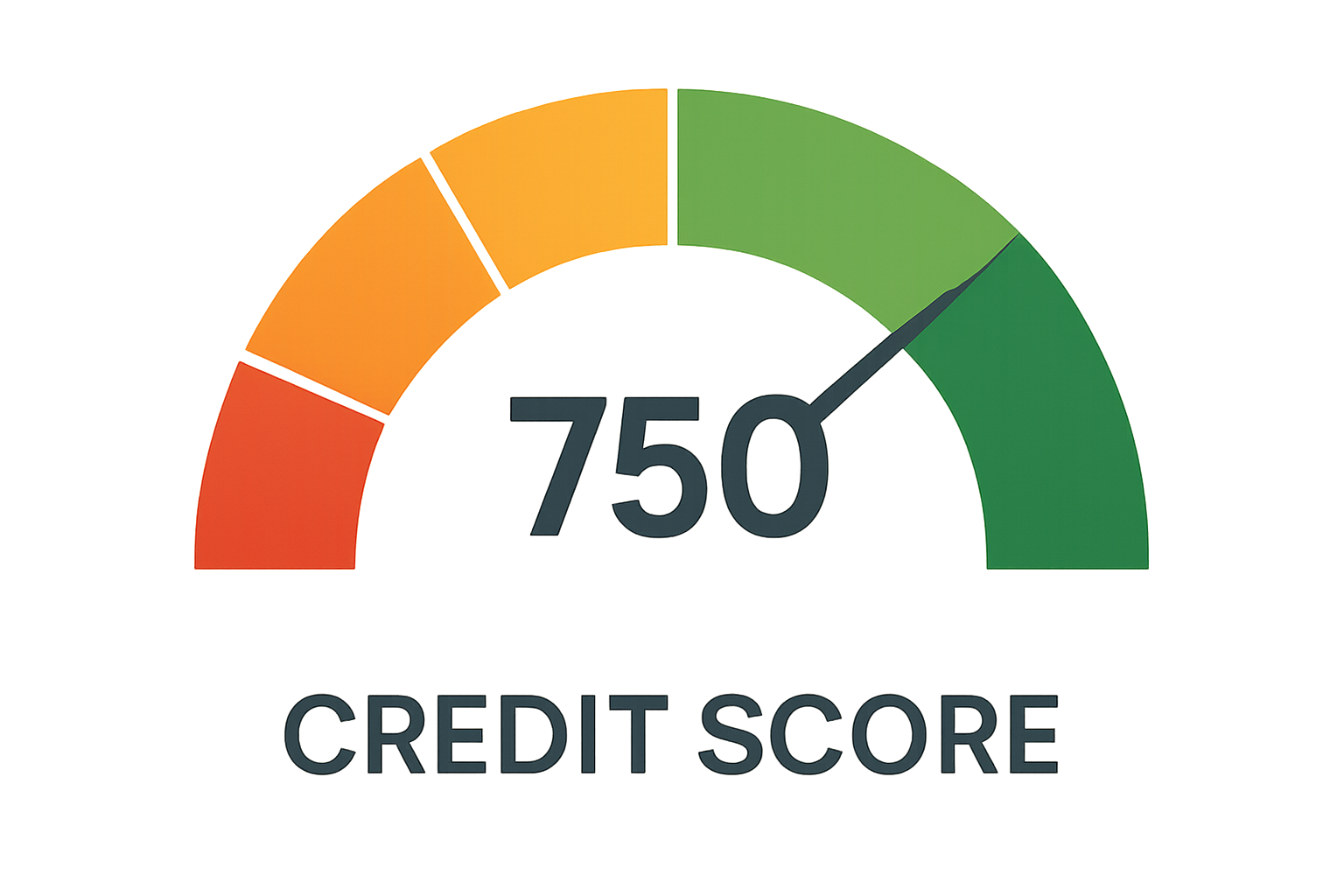
In general, credit scores often fall into these ranges:
- Poor: 300 to 579
- Fair: 580 to 669
- Good: 670 to 739
- Very good: 740 to 799
- Excellent: 800 to 850
So, what is a good credit score number and how to achieve it in practical terms? For most people, a score of 670 or higher is considered good. Once you move into that range, you are more likely to qualify for better loan terms and lower rates.
If debt is hurting your score, start by understanding your bigger debt picture. A helpful place to begin is What Is a Debt-to-Income Ratio and Why Does It Matter?. Your debt-to-income ratio is not the same as your credit score, but both matter when you apply for credit.
What is a good credit score number and how to achieve it, the basics you need to know
Credit scores are built from the information in your credit report. A credit report is a record of how you have handled borrowed money. You do not need to memorize every scoring formula, but you do need to know the main factors.
Payment history matters most
Your payment history shows whether you pay your bills on time. This includes credit cards, auto loans, student loans, and other accounts that report to the credit bureaus. Even one late payment can hurt, especially if it is 30 days or more past due.
Credit utilization can raise or lower your score fast
Credit utilization means how much of your available credit you are using. If your credit card limit is $1,000 and your balance is $800, your utilization is 80 percent. Lower is better. Try to keep it under 30 percent, and under 10 percent is even better if you can manage it.
Length of credit history helps over time
The longer your accounts have been open, the better. This is one reason closing old cards can backfire. Older accounts can help your score by showing a longer record of responsible use.
New credit applications can cause small dips
When you apply for new credit, a lender may do a hard inquiry. That means they check your credit as part of an application. A few points may drop temporarily. One inquiry is usually not a big deal, but several in a short time can be a red flag.
Credit mix plays a smaller role
Having different types of credit, such as a credit card and an installment loan, can help a little. An installment loan is a loan with fixed payments over time, like a car loan or student loan. But do not borrow money just to improve your mix.
If you want a focused plan for a quick improvement, read How to Raise Your Credit Score 100 Points Fast. It can help you identify the changes that move the needle fastest.
Practical steps you can take to improve your score
You do not need to do everything at once. The best results usually come from a few smart actions done consistently.
1. Pay every bill on time
This is your top priority. Set up automatic payments for at least the minimum amount due, or use calendar reminders a week before each due date. If you have already missed payments, get current and stay current. The damage fades over time, but new late payments keep pulling your score down.
2. Lower your credit card balances
If your cards are near the limit, paying them down can help fairly quickly. Focus on cards with the highest utilization first. If one card is maxed out and another is barely used, your score may still suffer because individual card utilization matters too.
If high-interest cards are trapping you, these guides may help: How to Pay Off Credit Card Debt Fast, Should You Use a Balance Transfer to Pay Off Debt?, and How to Negotiate Lower Interest Rates on Debt.
3. Check your credit reports for errors
You should review your reports from the major credit bureaus for mistakes. Look for wrong late payments, old debts that should be removed, balances that are incorrect, or accounts that are not yours. Disputing errors can improve your score if bad information is being reported.
4. Stop adding new debt while you repair your score
If you keep charging more while trying to pay down balances, progress will be slow. Build a simple spending plan so your cards stop carrying your monthly shortfall. If that is your struggle, read How to Stop Going Into Debt Every Month and How to Make a Budget That You’ll Actually Stick To.
5. Keep old accounts open if they are not costing you money
Closing an older card can shorten your credit history and reduce your total available credit. That can raise your utilization and hurt your score. If a card has no annual fee and you can manage it responsibly, keeping it open may help.
6. Build a small emergency cushion
Many credit problems start with one unexpected expense. A car repair, copay, or utility spike can push you back onto your credit cards. A starter emergency fund gives you breathing room. If you need help getting one in place, read How to Build a 3-Month Emergency Fund.
7. Be patient and track progress monthly
Credit improvement is usually not instant. Some changes, like lowering card balances, can help within a month or two. Others, like rebuilding after missed payments, take longer. Check your score monthly, celebrate small gains, and stay consistent.
Simple weekly credit routine: pay your bills, check your balances, avoid new charges you cannot pay off, and review one part of your budget. Small actions repeated every week can change your score over time.
Common credit score mistakes that hold people back
Many people damage their credit without realizing it. Here are some of the most common mistakes.
Only making the minimum payment forever
Paying the minimum keeps you from being late, but it often leaves you carrying high balances for years. That keeps your utilization high and costs a lot in interest. If you need a payoff strategy, compare methods in Debt Avalanche vs Debt Snowball: Which Strategy Wins?.
Applying for too many cards at once
It may be tempting to open several new accounts to get more available credit, but too many applications in a short period can lower your score and make lenders nervous. Move carefully.
Ignoring collections and old debts
If a debt collector contacts you, do not panic, but do not ignore it either. Verify the debt before paying anything, and protect yourself from scams. Collections can seriously hurt your credit, so it helps to handle them correctly.
Closing paid-off cards too quickly
It feels responsible to close an account once it is paid off, but that can reduce your available credit and make your utilization worse. Think through the impact before you close anything.
Believing your score is permanent
Your score is not a life sentence. It reflects your current and recent habits. That means better habits can lead to a better score.
The bigger payoff of a strong credit score
A good credit score is not just about borrowing money. It is about giving yourself more options and less financial stress. A stronger score can mean lower monthly payments, easier approval for housing, better insurance pricing in some cases, and more room to breathe in your budget.
If homeownership is one of your future goals, credit matters even more. A better score can improve your mortgage options and save you a lot of money over the life of a loan. It can also make you feel more confident when you are looking at big decisions, because you know your financial foundation is stronger.
Most important, building good credit teaches the same habits that lead to lasting financial freedom. You learn to pay on time, spend with intention, keep debt under control, and plan ahead. Those are not just credit habits, they are life-changing money habits.
The bottom line is simple. A good credit score usually starts at 670, but the real goal is building steady habits that support your whole financial life. If you focus on on-time payments, lower balances, fewer new debts, and a realistic budget, your score can improve. You do not have to fix everything this week. Start with one step, stick with it, and let progress build.