
What Is an Index Fund and How Does It Work for Beginners
If you feel like investing is only for people who already have money figured out, you are not alone. A lot of beginners ask, what is an index fund and how does it work for beginners, because they want a simple way to start without making an expensive mistake. The good news is that index funds are one of the easiest, lowest stress tools you can use to begin building wealth.
The core problem, investing feels confusing and risky
When you are trying to budget, pay off debt, and save for emergencies, investing can feel like one more thing you are supposed to understand. You may hear people talk about stocks, market timing, and hot tips, and it can sound like you need special knowledge to have any chance of success.
That pressure stops a lot of people from getting started. They wait until they have more money, more confidence, or more time. Meanwhile, the biggest advantage in investing, time, keeps slipping away.
An index fund helps solve that problem. Instead of trying to pick the one perfect company to invest in, you buy a fund that owns many companies at once. That gives you diversification, which means your money is spread across a group of investments instead of depending on one winner.
If you are still working on your financial foundation, that is okay. Before you invest, make sure you have a basic budget and a plan for cash emergencies. If that part still feels shaky, start with How to Make a Budget That You’ll Actually Stick To, How to Build a 3-Month Emergency Fund, and How to Budget When You’re Living Paycheck to Paycheck.
What is an index fund and how does it work for beginners?
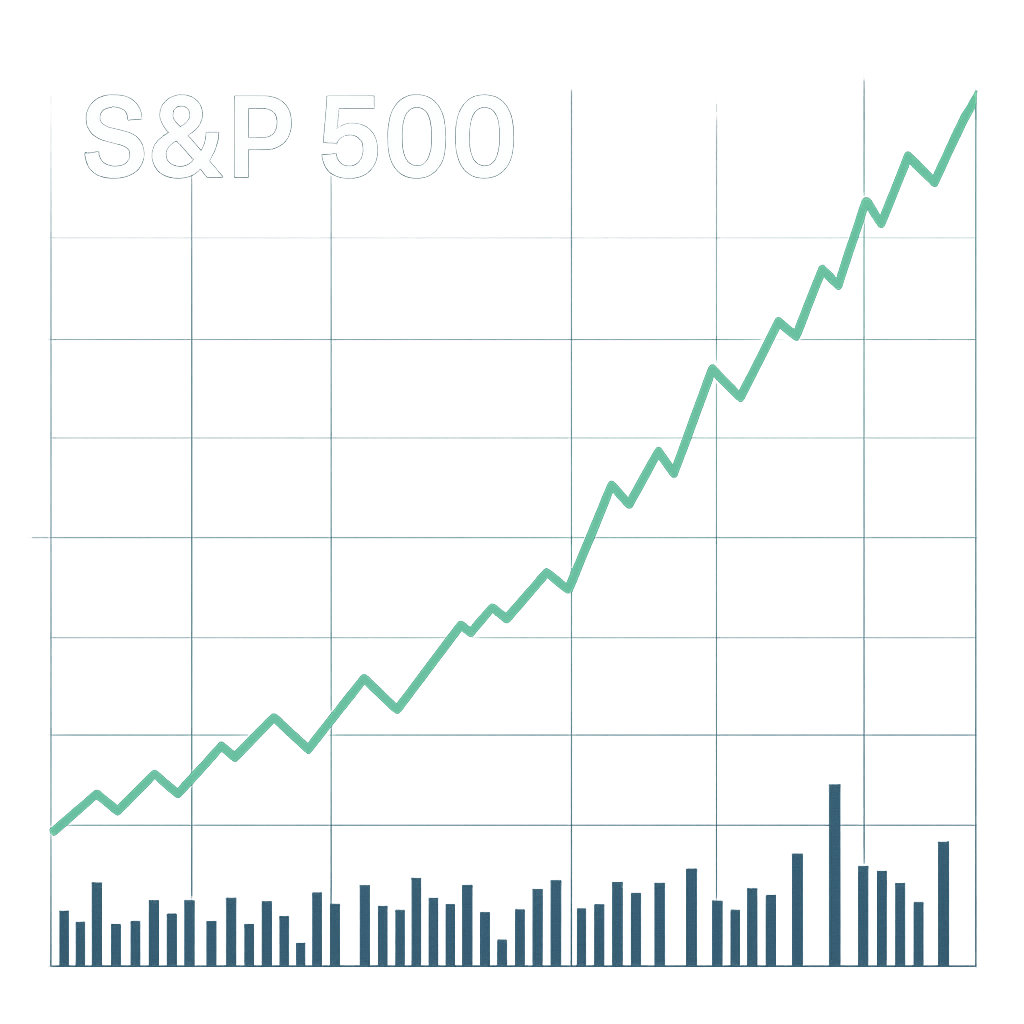
An index fund is an investment fund designed to track a market index. A market index is a list of investments that represents part of the market. For example, the S&P 500 is an index made up of 500 large U.S. companies.
When you buy an S&P 500 index fund, you are not buying just one stock. You are buying a tiny piece of all the companies in that fund. That can include businesses in technology, healthcare, banking, retail, and more.
How it works in plain English
- You put money into the fund.
- The fund uses that money to buy the investments in its index.
- Your money rises or falls based on how those investments perform.
- If the companies in the fund grow over time, your investment can grow too.
Why beginners like index funds
- Simple, you do not need to research dozens of individual stocks.
- Low cost, many index funds have very low fees.
- Diversified, your risk is spread out across many companies.
- Passive, the fund follows an index instead of trying to beat the market with constant trading.
One of the most important terms to understand is the expense ratio. This is the annual fee the fund charges as a percentage of your investment. A lower expense ratio means more of your money stays invested and working for you.
If you are brand new and want a simple entry point, you may also like Investing 101: How to Start With Just $100. It can help you see that you do not need a huge amount to begin.
How to start using index funds, step by step
You do not need a perfect income or a finance degree to get started. You just need a plan that fits your real life.
1. Make sure your foundation is steady
If you are relying on credit cards every month, it may make more sense to stabilize your cash flow first. Investing is powerful, but high interest debt can drain your progress fast. If that is where you are, read How to Stop Going Into Debt Every Month and How to Pay Off Credit Card Debt Fast.
2. Start with money you can leave alone
Index funds are best for long-term goals, not money you might need next month. Do not invest your rent money, car repair fund, or emergency savings. A good rule is to invest money you can leave untouched for at least five years, and ideally longer.
3. Choose the right account first
You can buy index funds inside different types of accounts. The account you choose matters.
- 401(k), a retirement account through your job. Some employers match part of your contributions.
- IRA, an individual retirement account you open on your own.
- Brokerage account, a general investing account without retirement tax benefits.
If your employer offers a match in your 401(k), that is often a strong place to start because matching money is part of your compensation.
4. Pick a broad index fund
For most beginners, broad market funds are easier than niche funds. Look for funds that track:
- The S&P 500
- The total U.S. stock market
- The total international stock market
A broad fund gives you exposure to many companies instead of betting on one industry.
5. Pay attention to fees
Compare the expense ratio before you invest. A difference that looks small today can cost you a lot over many years. If two funds track similar indexes, the lower fee fund often makes more sense.
6. Automate your investing
This is where consistency beats motivation. Set up an automatic transfer every payday, even if it is only $25 or $50. When investing becomes automatic, you remove the pressure to decide every month.
If you need help creating room in your budget for that habit, check out Zero-Based Budgeting: Give Every Dollar a Job and How to Track Your Spending Without Feeling Overwhelmed.
Simple beginner plan: Build a starter emergency fund, pay down high interest debt, then automate a small monthly contribution into a low cost broad index fund.
A common mistake, treating index funds like a quick win
A lot of beginners hear that index funds are smart, then expect instant results. That is not how this works. Index funds are not a get-rich-quick tool. They are a slow, steady way to build wealth over time.
The market goes up and down. Some years your account may grow nicely. Some years it may drop. That can feel scary, especially if you are new. But short-term drops do not automatically mean you made a bad decision.
Three mistakes to avoid
- Checking your balance too often, this can lead to emotional decisions.
- Selling when the market drops, this locks in losses instead of giving your money time to recover.
- Waiting for the perfect time, most people cannot predict the market consistently.
What matters more than perfect timing is staying invested regularly. This is called dollar-cost averaging. It means you invest the same amount on a schedule, whether prices are high or low. Over time, that can reduce the pressure of trying to guess the best moment to buy.
Another mistake is investing before your savings habits are strong. If you want to build discipline first, a challenge like 52-Week Savings Challenge: Save $1,378 This Year can help you create momentum.
The long-term benefit, simple investing can change your future
Here is the bigger picture. Index funds give you a way to grow your money without needing to become a market expert. You do not have to spend your nights studying stock charts or chasing the latest trend. You can keep it basic, stay consistent, and still make real progress.
That matters because wealth is not built by dramatic moves. It is usually built by regular habits repeated for years. A small monthly investment, left alone and added to over time, can become something meaningful because of compound growth. That means your money can earn returns, and then those returns can earn returns too.
Let’s make it practical. If you invest a modest amount every month into a low cost index fund, you are giving your future self options. You may be building toward retirement, a home, freedom from money stress, or just the ability to breathe easier later on.
If you are balancing investing with other goals, that is normal. You might still be improving your credit, paying off debt, or saving for irregular expenses. Financial progress is rarely one perfect straight line. The key is to build one healthy money habit at a time, then stack the next one on top.
Index funds fit beautifully into that kind of plan because they are practical, low maintenance, and beginner friendly. You do not need to do everything at once. You just need to start in a way you can keep going.
The main takeaway is simple. An index fund lets you invest in many companies at once, keep costs low, and grow your money over time without making investing more complicated than it needs to be. If you are a beginner, that is not a weakness, it is actually a great reason to choose a simple path. Start small, stay steady, and let consistency do the heavy lifting.