
How Credit Utilization Ratio Affects Credit Score
If your credit score feels confusing, you are not alone. One of the biggest reasons scores rise and fall is something many people overlook, how credit utilization ratio affects credit score. The good news is that this is one area you can often improve faster than you think, with a few smart moves and a clear plan.
The core problem, high balances can hurt your score even if you pay on time
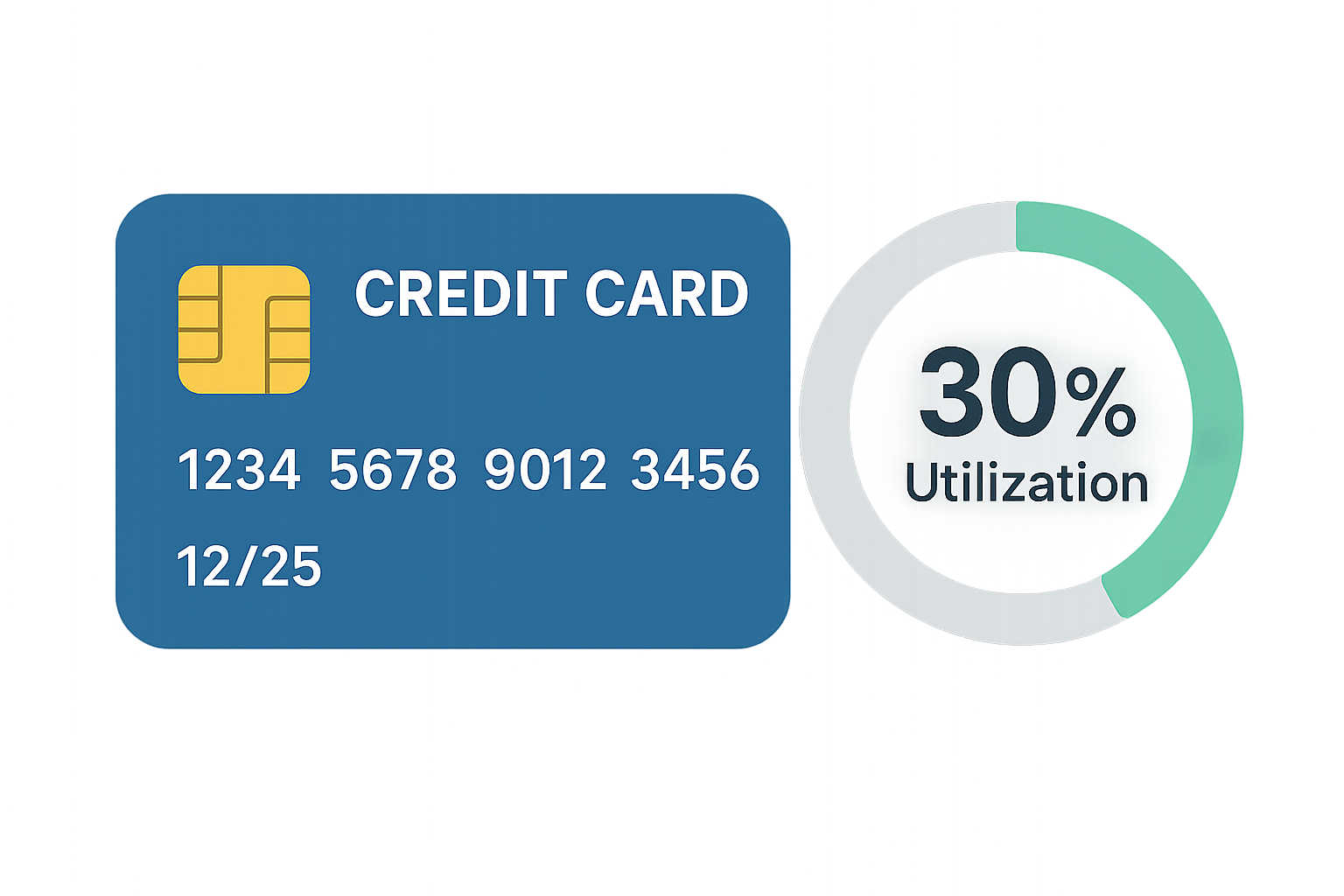
You might assume that paying your credit card bill on time is enough to protect your score. On time payments matter a lot, but your credit utilization matters too. Credit utilization is the percentage of your available credit that you are using.
Here is a simple example. If you have a credit card with a $1,000 limit and your balance is $500, your utilization on that card is 50 percent. If all your cards together have $10,000 in total limits and your balances add up to $3,000, your overall utilization is 30 percent.
Why does this matter? Credit scoring models look at high utilization as a sign of risk. Even if you have never missed a payment, carrying large balances compared to your limits can make it look like you are stretched too thin.
If credit card debt is already weighing on you, start with practical ways to lower balances, like the steps in How to Pay Off Credit Card Debt Fast. If your balances keep growing month after month, it also helps to read How to Stop Going Into Debt Every Month.
Understanding how credit utilization ratio affects credit score
To really understand how credit utilization ratio affects credit score, you need to know what the credit bureaus and scoring models are likely seeing. They are not just asking whether you pay. They are also asking how much of your available borrowing power you are using right now.
What counts as a good utilization ratio
There is no magic number that guarantees a great score, but lower is generally better. A common rule is to stay below 30 percent. Even better, many people with strong scores keep utilization in the single digits.
- 0 to 9 percent, often excellent for scoring
- 10 to 29 percent, usually solid
- 30 percent and above, can start to hurt your score
- 50 percent and above, often signals higher risk
Per-card utilization matters too
Many people only look at their total utilization, but individual cards matter as well. You could have an overall utilization of 20 percent, but if one card is maxed out, that can still hurt your score. Keep an eye on each card, not just the total.
Your reported balance may not be your paid balance
This part surprises a lot of people. Your card issuer usually reports your balance to the credit bureaus based on your statement closing date, not your payment due date. That means you can pay in full every month and still show high utilization if your balance is high when the statement closes.
If you are working on your overall credit health, it also helps to understand the bigger picture in What Is a Good Credit Score and How to Get One.
Action steps to lower utilization and improve your score
You do not need a perfect financial life to make progress here. You just need a few consistent habits that reduce balances and keep them low.
1. Pay down balances before the statement closing date
If you can only do one thing, do this first. Find your statement closing date for each card and try to make a payment before that date. This can reduce the balance that gets reported to the credit bureaus.
For example, if your card closes on the 20th and your balance is usually high by then, make a payment on the 18th or 19th. Even a partial payment can help.
2. Make more than one payment each month
This is called paying multiple times per month, and it can be very effective. If you use your card for groceries, gas, or bills, make one payment every week or every payday. That keeps your reported balance lower and helps you avoid a big monthly pileup.
If your spending feels hard to control, pair this with a simple system from How to Track Your Spending Without Feeling Overwhelmed.
3. Spread charges across cards carefully
If you have more than one credit card, avoid loading too much onto a single card. Spreading purchases across cards can help keep individual card utilization lower. Just be careful not to use this as an excuse to spend more.
The goal is not to shuffle debt around mindlessly. The goal is to manage reported balances while you actively pay debt down.
4. Ask for a credit limit increase
If your income is stable and you have a decent payment history, you may be able to request a higher limit. If your balance stays the same and your limit rises, your utilization percentage drops.
Example:
- $1,000 balance on a $2,000 limit = 50 percent utilization
- $1,000 balance on a $4,000 limit = 25 percent utilization
Before you ask, check whether the issuer will do a hard inquiry. A hard inquiry is a credit check that can cause a small temporary dip in your score. Some issuers only do a soft inquiry, which does not affect your score.
5. Avoid closing old credit cards unless you have a strong reason
Closing a card can reduce your total available credit, which can raise your utilization ratio overnight. If the card has no annual fee and you can manage it responsibly, keeping it open may help your score.
There are exceptions. If a card has a high fee, causes overspending, or creates stress, closing it may still be the right call. But run the numbers first so you know the tradeoff.
6. Build a payoff plan you can actually stick to
Lower utilization usually comes from lower balances, and that takes a real plan. If you need structure, use a method like the one in Debt Avalanche vs Debt Snowball: Which Strategy Wins?. If you are considering moving debt to a new card, review the pros and cons in Should You Use a Balance Transfer to Pay Off Debt?.
7. Free up cash in your budget and send it to your highest balances
You do not always need a huge income increase to lower utilization faster. Sometimes you just need to find money that is already leaking out of your budget. Review recurring expenses, convenience spending, and categories that tend to creep up.
Two helpful places to start are How to Cut Your Subscriptions and Save Hundreds and How to Make a Budget That You’ll Actually Stick To.
A common mistake, confusing utilization with debt-to-income ratio
This is one of the most common misunderstandings I see. Credit utilization and debt-to-income ratio are not the same thing.
Credit utilization measures how much of your credit card limits you are using. Debt-to-income ratio compares your monthly debt payments to your monthly income. Credit scores focus heavily on utilization, while lenders often look closely at debt-to-income ratio when deciding whether to approve a loan.
Here is why the difference matters. You might have a good income and a manageable debt-to-income ratio, but still have a lower score because your credit cards are carrying high balances. On the other hand, you could have low utilization but still struggle to qualify for a mortgage if your monthly debt payments take up too much of your income.
If you want to understand that side of the picture better, read What Is a Debt-to-Income Ratio and Why Does It Matter?.
Another mistake is thinking you need to carry a balance to build credit. You do not. You can use your cards, pay them off responsibly, and still build a strong score. In fact, carrying a balance just costs you interest and can keep utilization higher than it needs to be.
The bigger picture, lower utilization can open real financial doors
Improving your utilization ratio is not just about chasing a number. A stronger score can make everyday life cheaper and less stressful. It can help you qualify for better interest rates, lower insurance costs in some states, and better loan terms when you need them.
If you are planning a big money goal, this matters even more. A better score can support a future car loan, apartment application, or home purchase. It can also give you more breathing room if life throws you an unexpected expense.
The best part is that utilization is one of the more responsive parts of your credit score. Unlike late payments, which can stay on your report for years, utilization can improve as soon as lower balances get reported. That means your effort today can show up sooner than you might expect.
If your score needs a jump and you want a broader game plan, you may also benefit from How to Raise Your Credit Score 100 Points Fast.
Your credit score is not a judgment on your worth, and it is not set in stone. If you focus on keeping balances low, paying before statement dates when possible, and sticking to a workable debt payoff plan, you can make steady progress. Start with one card, one payment, and one small change this week, then build from there. That is how real financial freedom begins.