
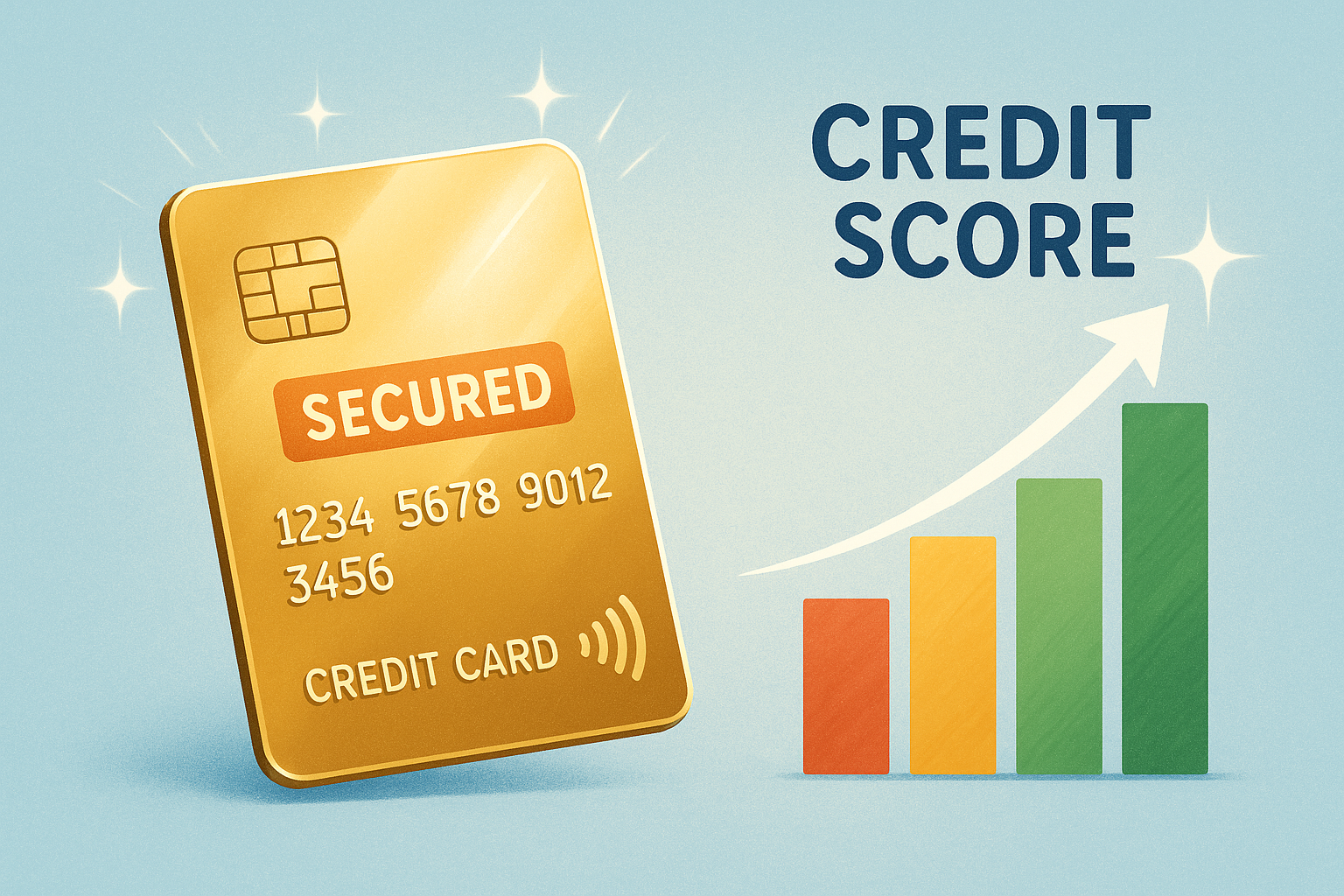
Best secured credit cards to build credit from scratch
If you have no credit history, or your credit has taken a few hits, getting approved for a regular card can feel frustrating. The best secured credit cards to build credit from scratch can give you a simple way to start over, prove you can manage credit well, and build momentum without taking on a lot of risk.
Why building credit feels so hard when you are starting from zero
Credit can feel backwards. Lenders want to see a track record before they trust you, but you need someone to trust you before you can create that track record. That is where a secured card helps.
A secured credit card is a credit card backed by a cash deposit. In most cases, your deposit becomes your credit limit. If you put down $200, your limit is usually $200. That deposit lowers the card company’s risk, which makes approval easier for people with no credit or damaged credit.
The goal is not to carry debt. The goal is to use the card in a controlled way so the issuer reports positive activity to the credit bureaus. Those bureaus, Equifax, Experian, and TransUnion, collect information that helps create your credit score.
Your score is heavily affected by a few basic habits:
- Payment history, which means whether you pay on time.
- Credit utilization, which is how much of your limit you use.
- Length of credit history, which grows over time.
- New credit inquiries, which happen when you apply for credit.
If you want to understand how utilization affects your score, read How Credit Utilization Affects Your Score. If you are still learning the basics, What Is a Good Credit Score and How to Get One gives you a helpful foundation.
How the best secured credit cards to build credit from scratch actually work
The best secured cards are not just easy to get. They also make it easier for you to build good habits. Before you apply, you should know what to look for and how to use the card the right way.
Look for reporting to all three credit bureaus
This is non-negotiable. If the card issuer does not report your payments to all three bureaus, your effort may not help your score as much as it should. Always check this before applying.
Understand the deposit and fees
Most secured cards require a refundable deposit, often starting at $200. Some also charge annual fees or other account fees. A lower fee structure means more of your money stays in your pocket. If two cards are similar, the one with fewer fees is usually the better choice.
Know what graduation means
Some secured cards let you graduate to an unsecured card after a period of on-time payments. That means you may get your deposit back and keep the account open as a standard credit card. This can be a great next step because it helps your credit history keep growing.
Use it for one small expense
The simplest strategy is to put one small recurring bill on the card each month, like a streaming service or gas purchase, then pay it off in full. This keeps your use steady and manageable. If budgeting is a struggle right now, start with How to Make a Budget That You’ll Actually Stick To so you can build credit without falling behind somewhere else.
Practical steps to choose and use a secured card the right way
You do not need the perfect card. You need a card that fits your budget and a plan that protects you from expensive mistakes.
1. Pick a deposit you can truly afford
Do not drain your emergency cushion just to get a bigger credit limit. A small limit is fine when you are starting. If money is tight, a lower deposit can still help you build credit as long as you use the card carefully.
If you are living paycheck to paycheck, focus on stability first. How to Budget When You’re Living Paycheck to Paycheck can help you make room for this without creating more stress.
2. Keep your balance low
Try to use less than 30 percent of your credit limit, and under 10 percent is even better. On a $200 limit, that means staying under $60, or ideally under $20 before the statement closes. This is one of the fastest ways to help your score.
3. Pay on time every single month
This matters more than anything else. Set up automatic payments for at least the minimum due, then pay the full balance if possible. A single late payment can hurt your progress and trigger fees.
4. Pay more than once a month if needed
If your limit is low, make a payment mid-cycle. This keeps your reported balance lower and gives you more room to use the card without spiking your utilization.
5. Avoid using the card for emergencies you cannot repay
A secured card is a tool for building credit, not a solution for an income gap. If you keep leaning on credit to survive each month, the real issue is probably your cash flow. Read How to Stop Going Into Debt Every Month to deal with that root problem.
6. Check your progress after three to six months
Review your credit score, payment history, and utilization. If you have been consistent, you may see early score improvement. For more strategies that support this process, see How to Raise Your Credit Score 100 Points Fast.
7. Build savings while you build credit
Good credit helps, but savings give you breathing room. Even a small emergency fund can keep you from relying on cards when life happens. A smart next step is How to Build a 3-Month Emergency Fund.
Common mistakes people make with secured cards
A secured card can help you, but only if you avoid a few common traps.
Carrying a balance to “build credit”
You do not need to carry a balance or pay interest to build credit. That is a costly myth. Using the card and paying on time is what helps. Interest charges only make the process more expensive.
Maxing out a small limit
Many secured cards come with low limits. That means even a modest purchase can push your utilization too high. If your limit is $200 and you spend $150, you are at 75 percent utilization, which is much higher than you want.
Applying for too many cards at once
Every application can create a hard inquiry, which may lower your score a little. Pick one strong option and focus on using it well before applying for anything else.
Ignoring your bigger debt picture
If you already have collections, high-interest balances, or old debt causing problems, a secured card should be part of a larger plan, not the whole plan. If you are trying to clean up existing card debt too, How to Pay Off Credit Card Debt Fast can help you move in the right direction.
The long-term payoff of building credit the smart way
When you use a secured card well, you are doing more than raising a number. You are building financial options. Better credit can help you qualify for lower interest rates, easier approvals, and better terms when you rent an apartment, finance a car, or apply for other loans.
It also supports bigger money goals. Strong credit can improve your debt-to-income strategy, lower borrowing costs, and make it easier to recover from past mistakes. If you want to understand one of the key numbers lenders watch, read What Is a Debt-to-Income Ratio and Why Does It Matter?.
Most important, building credit the right way teaches you consistency. You learn how to manage due dates, keep spending in check, and use credit as a tool instead of a crutch. Those habits will serve you long after your secured card is no longer necessary.
If you feel behind, do not let that stop you. A secured card can be a simple, practical first step when you use it with intention. Start small, keep your balance low, pay on time every month, and let your progress build month by month. That is how you turn no credit, or damaged credit, into real financial traction.