
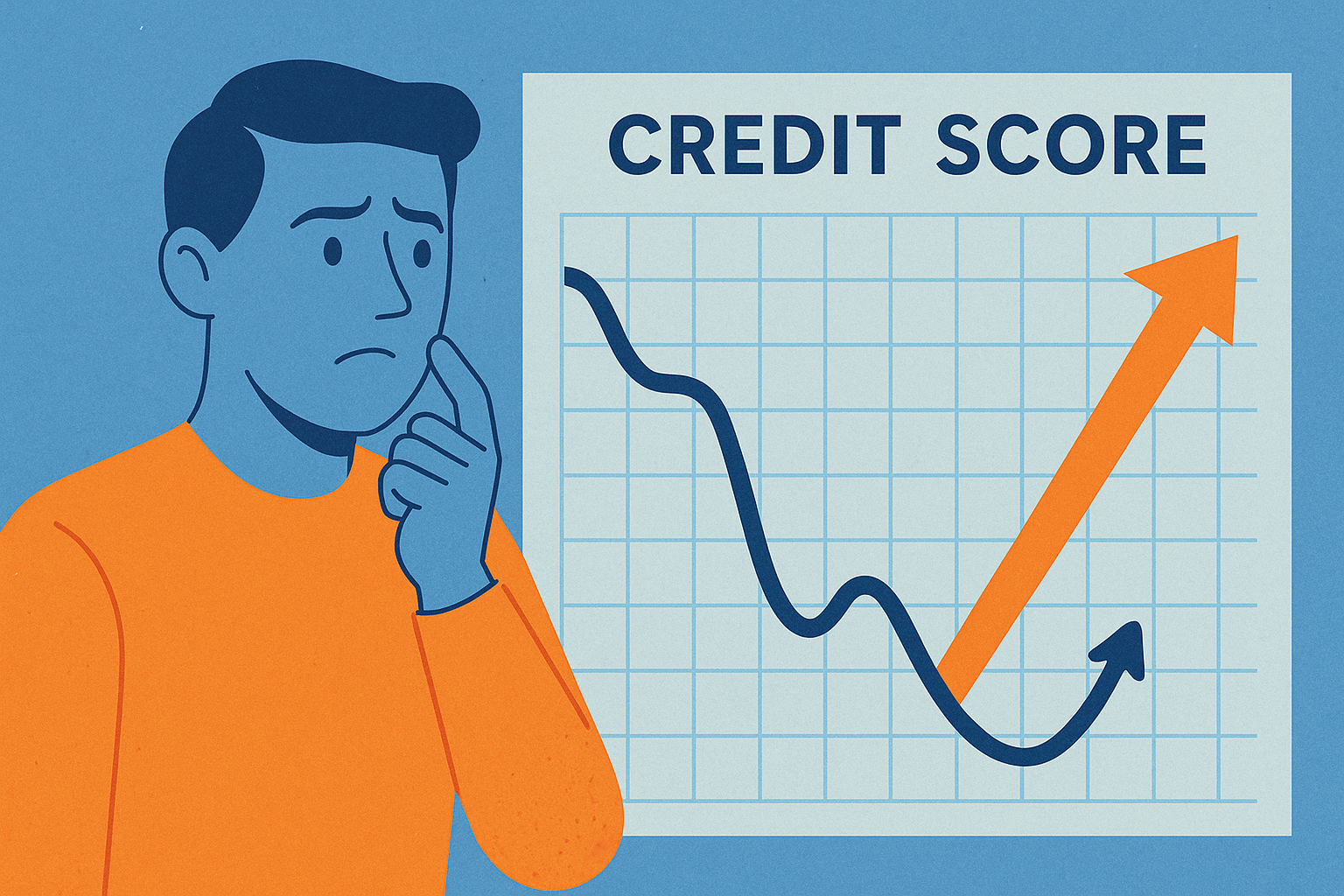
why did my credit score drop suddenly reasons and fixes
If you are asking, why did my credit score drop suddenly reasons and fixes, you are not alone. A credit score drop can feel frustrating, especially when you thought you were doing everything right. The good news is that most score changes have a clear cause, and once you know what happened, you can take the right steps to fix it.
The core problem, your score can drop faster than you think
Your credit score is a number that helps lenders judge how risky it is to lend you money. It is based on information in your credit report, which is a record of your borrowing and payment history. Even a solid score can drop if one part of that record changes.
A sudden drop usually comes from one of a few common triggers. You may have missed a payment, used more of your available credit, applied for new credit, closed an old card, or had a mistake show up on your report. Sometimes the drop is temporary. Sometimes it points to a deeper issue that needs attention right away.
If your score changed and you do not know why, start by staying calm. A lower score does not mean you failed. It means there is new information affecting how your credit profile looks today.
Why did my credit score drop suddenly reasons and fixes, the basics you need to know
Before you try to fix your score, it helps to understand the main factors that affect it. Different scoring models use slightly different formulas, but most focus on the same areas.
Payment history
Your payment history is the biggest factor. If you pay late, even by 30 days, your score can drop. The later the payment and the better your score was before, the bigger the hit can be.
Credit utilization
Credit utilization means how much of your available credit you are using. If you have a card with a $5,000 limit and a $4,000 balance, your utilization on that card is 80 percent. High utilization can hurt your score, even if you pay on time. To understand this better, read How Credit Utilization Affects Your Score.
Length of credit history
Older accounts help your score because they show a longer borrowing history. If you close an old card, it can reduce the strength of your profile over time.
New credit inquiries
When you apply for a loan or credit card, a lender may do a hard inquiry. That is a formal credit check that can lower your score a little. One inquiry is usually not a big deal. Several in a short period can add up.
Credit mix and account changes
Your score may also change if a loan is paid off, a collection account appears, or a card issuer lowers your credit limit. If you want a broader picture of healthy credit, see What Is a Good Credit Score and How to Get One.
Actionable steps to find the cause and start fixing it
1. Check your credit reports line by line
Start with your reports from all three major credit bureaus, Equifax, Experian, and TransUnion. Look for:
- Late payments you did not expect
- Balances that seem too high
- Accounts you do not recognize
- Collections or charge-offs
- Incorrect credit limits
If you find an error, dispute it right away. A wrong late payment or mystery account can damage your score unfairly. Use this guide, How to Dispute Errors on Your Credit Report, to handle that process step by step.
2. Find out if your balances jumped
One of the most common reasons for a sudden score drop is a spike in card balances. This often happens when you cover an emergency, fall behind on bills, or simply charge more than usual in one month. Even if you plan to pay it off soon, your score can drop if the lender reports the balance before you make the payment.
Your best move is to lower utilization as quickly as you can. Aim to keep each card below 30 percent of its limit, and under 10 percent is even better if possible. If high balances are stressing your budget, read How to Pay Off Credit Card Debt Fast for a practical payoff plan.
3. Fix any missed payments immediately
If you missed a payment, make it as soon as possible. If the payment is less than 30 days late, it may not be reported yet, though you could still face a late fee. If it has already been reported, bring the account current and set up automatic payments so it does not happen again.
You can also call the lender and ask if they will remove the late mark as a one-time courtesy if you have a good history. They do not have to say yes, but it is worth asking. To keep future debt problems from piling up, check out How to Stop Going Into Debt Every Month.
4. Look for collections or old debts that resurfaced
If a debt collector suddenly appears on your report, your score can take a serious hit. This can happen with medical bills, old utility balances, or accounts you thought were settled. First, verify that the debt is really yours. Then ask for written proof before paying anything.
If you are dealing with collections, you need to be careful and informed. Read How to Talk to a Debt Collector Without Getting Scammed. If the issue is a hospital or doctor bill, How to Get Out of Medical Debt can help you sort through your options.
5. Be careful about opening or closing accounts
Opening a new card can help in the long run if it lowers your utilization and you use it wisely. But in the short term, the hard inquiry and new account can cause a dip. Closing a card can also hurt if it reduces your total available credit or removes one of your oldest accounts.
If your score is low and you need to rebuild, a secured card may be a smart tool. A secured card requires a deposit, but it can help you create positive payment history. Learn more in Secured Credit Cards: The Best Way to Build Credit.
6. Build a short-term recovery plan
If money is tight, trying to fix your score without a plan can make you feel even more overwhelmed. Focus on these priorities in order:
- Bring all accounts current
- Pay down high card balances
- Stop applying for new credit unless necessary
- Review your report monthly for changes
- Create a realistic budget that supports debt payoff
If you need help getting your spending under control, a simple budget is one of the best credit repair tools you have. Start with How to Make a Budget That You’ll Actually Stick To.
A common mistake, chasing quick fixes instead of fixing the real issue
When your score drops, it is tempting to search for a trick that will raise it overnight. You may see advice online telling you to open new accounts fast, carry a small balance, or pay a company to repair your credit. Be careful. Many so-called shortcuts either do not work or can make things worse.
The truth is simple. Your score improves when your credit habits improve. That means paying on time, keeping balances low, avoiding unnecessary applications, and correcting errors. If you want to speed up your recovery, focus on actions with real impact, not gimmicks. For more realistic strategies, read How to Raise Your Credit Score 100 Points Fast.
Another common mistake is ignoring the budget side of the problem. If your spending keeps forcing you to rely on credit cards, your score may keep swinging up and down. Credit health is not separate from money management. They work together.
The long-term benefit, a stronger score gives you more breathing room
Fixing your credit score is not just about the number. A stronger score can help you qualify for lower interest rates, better credit card offers, cheaper insurance in some cases, and easier approval when you rent an apartment or apply for a loan. That can save you real money.
More importantly, improving your score often means improving the habits underneath it. You learn to pay bills on time, avoid living on borrowed money, and stay organized with your finances. That creates financial stability, not just a better report.
If your score dropped because of a rough season, remember this, one setback does not define your future. Consistent action matters more than perfection. A score can recover, especially when you deal with the real cause and stick with the plan month after month.
If your credit score fell, do not panic and do not guess. Check your report, find the reason, and take the next right step. Whether the issue is a missed payment, high balances, or an error, you can make progress from here. Keep it simple, stay consistent, and remember that every on-time payment and every dollar of debt you pay down is moving you toward more peace, more options, and more control over your money.