
credit score vs credit report difference explained
If money stress has you feeling confused every time someone mentions your credit, you are not alone. The credit score vs credit report difference explained in simple terms can help you stop guessing, start understanding, and make better financial decisions right away.
A lot of people use these two terms like they mean the same thing, but they do not. Once you understand how each one works, you can spot problems faster, protect your finances, and build stronger credit with a lot more confidence.
The core problem, why people mix them up
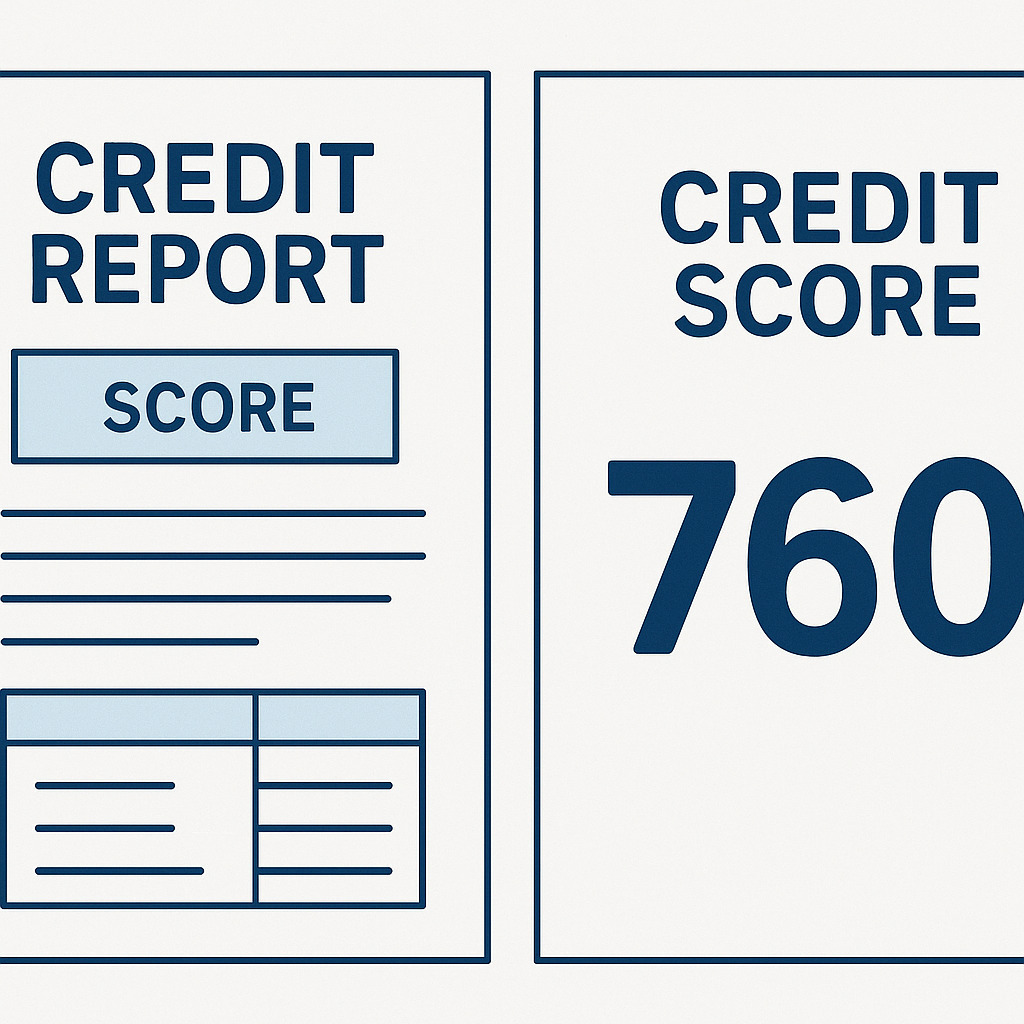
Your credit score and your credit report are connected, but they are not the same thing. Think of your credit report as the full history, and your credit score as the quick summary that comes from that history.
Your credit report is a detailed record of how you have handled debt. It can include credit cards, loans, payment history, account balances, collections, and public information tied to your credit file. Your credit score is a three-digit number that is calculated using the information in that report.
This matters because lenders, landlords, insurers, and sometimes employers may look at one or both. If you only focus on the score, you may miss errors or warning signs in the report itself. If you only read the report, you may not understand how lenders see your overall risk.
If you have ever wondered why your number changed, this guide on why your credit score dropped and how to fix it can help you connect the dots.
Credit score vs credit report difference explained in plain English
Let’s break this down clearly so you know exactly what you are looking at.
What a credit report is
A credit report is a file created by a credit bureau, such as Experian, Equifax, or TransUnion. A credit bureau is a company that collects and stores information about how you use credit.
Your report may include:
- Your personal information, such as name, address, and Social Security number
- A list of current and past credit accounts
- Your payment history, including late payments
- Balances owed on loans and credit cards
- Credit inquiries, which show who has checked your credit
- Negative items like collections, charge-offs, bankruptcies, or foreclosures
If you need help cleaning up bad information, read how to dispute errors on your credit report.
What a credit score is
A credit score is a number, usually between 300 and 850, that estimates how likely you are to repay borrowed money. The higher the score, the lower the risk you appear to lenders.
Your score is based on the information in your credit report. Different scoring models exist, but most consider the same basic factors:
- Payment history, whether you pay on time
- Credit utilization, how much of your available credit you are using
- Length of credit history
- Mix of account types
- New credit activity
If you want a deeper look at what counts as a strong number, see what is a good credit score and how to get one.
How they work together
Here is the simplest way to think about it. Your credit report is the raw data. Your credit score is the result. If the data is wrong, outdated, or damaged by missed payments, the score can suffer.
Quick example: If your report shows a late payment, high credit card balances, and a new collection account, your score will likely drop. If you correct an error, pay down balances, and keep payments current, your score can improve over time.
What you should do with each one
Knowing the difference is helpful, but what really matters is what you do next. Here are practical steps you can take.
1. Check your credit report for errors
Start with your report, not just your score. Look for accounts you do not recognize, incorrect late payments, old addresses, or balances that do not match your records. Even small mistakes can hurt you.
Also pay attention to negative items. If you are not sure how long they should remain, read how long does bad credit stay on your report.
2. Focus on the biggest score drivers
If your score needs help, do not try to fix everything at once. Focus first on the factors that usually matter most:
- Pay every bill on time
- Lower credit card balances
- Avoid opening several new accounts in a short time
- Keep older accounts open if possible
One of the fastest ways to improve your score is to reduce your balance compared to your limit. Learn more in how credit utilization affects your score.
3. Build credit the right way if you are starting over
If you have limited credit history or damaged credit, you may need a safe way to rebuild. A secured credit card can be useful because it usually requires a cash deposit and can help you establish positive payment history.
If that sounds like your situation, check out secured credit cards, the best way to build credit.
4. Make your debt payoff plan support your credit
Paying off debt helps your finances and can help your credit, but how you do it matters. If you are drowning in balances, start with a clear plan that lowers stress and keeps you current on payments.
For a step-by-step payoff strategy, read how to pay off credit card debt fast. If your balances are spread across multiple cards or loans, you may also benefit from is debt consolidation right for you?
5. Watch your money habits, not just your score
Your score is important, but your daily habits matter more in the long run. If you keep overspending, miss due dates, or live short every month, your credit problems will likely keep coming back.
A simple budget can help you stay ahead of bills, avoid late payments, and create room to pay down debt. If budgeting feels overwhelming, start with how to make a budget that you’ll actually stick to.
A common mistake, treating the score like the whole story
One of the biggest mistakes you can make is obsessing over the number while ignoring the report behind it. A score can go up or down for many reasons, but the report tells you why.
Another mistake is assuming a credit monitoring app shows everything. Many apps only give you one score or a limited view of your file. That can be useful, but it is not the same as reviewing your full report from all three bureaus.
You also want to avoid panic moves, like closing old credit cards, applying for too many new accounts, or making late payments because you are stretched too thin. Sometimes people try to solve credit issues without addressing the cash flow problem underneath. If that sounds familiar, work on the spending side too, especially if you need help with basics like meal planning, subscriptions, or emergency savings.
The truth is simple, your score is a snapshot, but your report is the full picture. You need both if you want to make smart decisions.
Why this matters for your bigger financial life
Understanding the credit score vs credit report difference explained is not just about learning a definition. It affects real parts of your life.
Better credit can help you qualify for lower interest rates, which means lower monthly payments and less money wasted over time. It can also improve your chances of getting approved for an apartment, utilities, insurance, or a mortgage.
Just as important, understanding your credit helps you feel more in control. When you know what lenders are looking at, you can stop feeling blindsided. You can catch mistakes earlier, build better habits, and make money choices from a place of clarity instead of fear.
If homeownership is one of your long-term goals, strong credit can make a major difference in what you can afford. And even if buying a home is years away, improving your credit today can put you in a much better position when the time comes.
Good credit is not about being perfect. It is about showing a pattern of steady, responsible behavior over time. That starts with paying attention, making small improvements, and sticking with them.
Here is the takeaway you need to remember, your credit report is the record, and your credit score is the rating built from that record. Check both, understand both, and use both to guide your next steps. When you take it one action at a time, you can clean up mistakes, build stronger habits, and move toward real financial freedom with a lot less stress.